Contact us: 479-405-2880
Contact us: 479-405-2880
Select a link below to view a specific post or scroll down to browse through all posts.
When people think of cosplay, they often think of the talented folks who lovingly recreate every detail of a favorite character’s appearance. This is difficult work, and I have a lot of respect for it.
My approach to cosplay tends more towards creating my own characters. I do this for a few reasons. One is that it’s fun to come up with characters and decide how they should look. Another is that it takes away the pressure to have every detail accurate and perfect. Another big reason is that if you don’t sew (like me), it’s easier to piece together a created character from existing items than it is to recreate a character that way.
Having cosplayed for over a decade now, I’ve learned a few lessons along the way:
1. Cosplay is for all body sizes and types.
2. Accessories make or break a cosplay.
3. There’s nothing wrong with not sewing or making things.
Here are six cosplays that I’ve created and worn. The first two are riffs on familiar characters, the next two are takes on the same vampire/pirate (vampirate) mashup, and the last two are completely original characters.
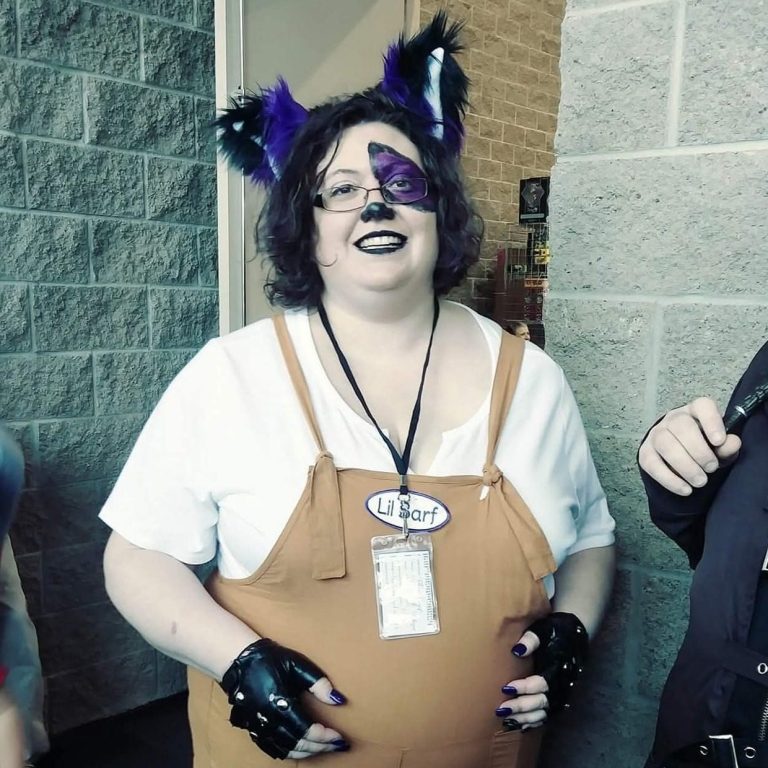
The Inspiration
I bought an awesome pair of ears at my first Gen Con, and my friends decided that I looked like Barf from Spaceballs in them. Since the ears were purple, I started thinking about what a purple child of Barf would look like. That became this cosplay.
The Sourcing
This costume was from several years ago, but if I remember correctly:
The Accessories
The Event
Konsplosion 2018, Ft. Smith, AR
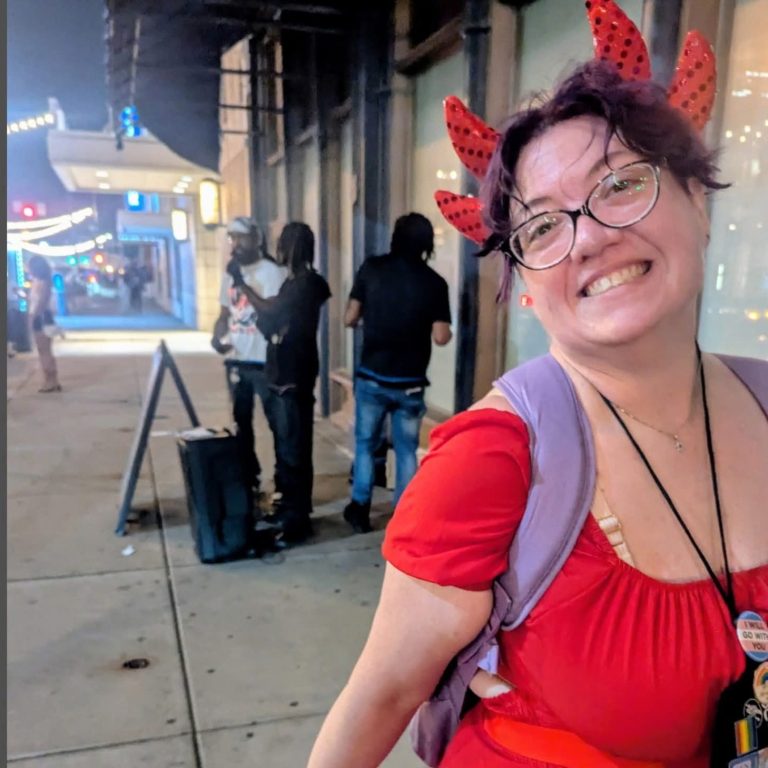
The Inspiration
My bonus kids and I were teasing each other one day, and one of them jokingly called me the Double Devil. The nickname stuck, and I decided to make a cosplay of this play on the classic devil character.
The Sourcing
The Accessories
The Event
Gen Con 2025, Indianapolis, IN
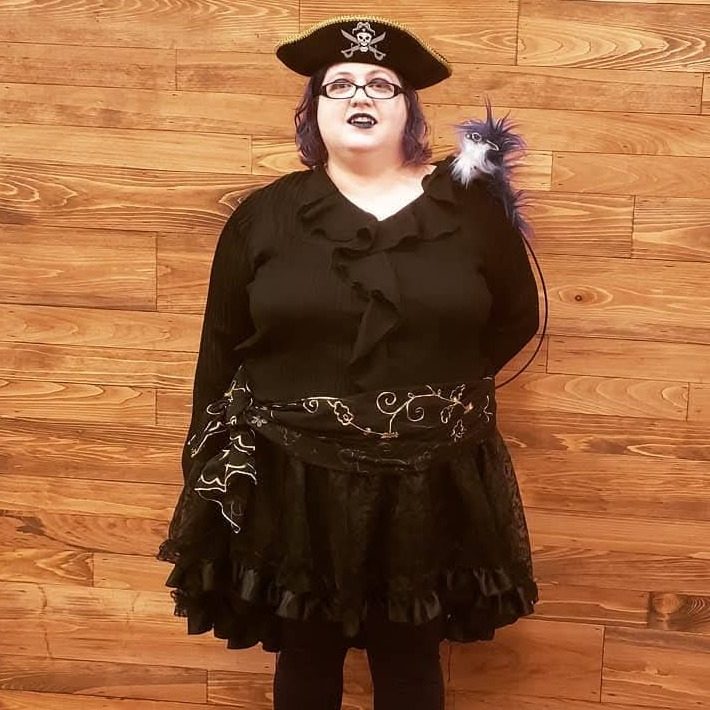
The Inspiration
I was trying to decide on a Halloween costume, and I was stuck between vampire and pirate. I decided that it would be fun to mash up the two. I also had some things lying around that I could use to make a cheap costume.
The Sourcing
The Accessories
The Event
Halloween 2019
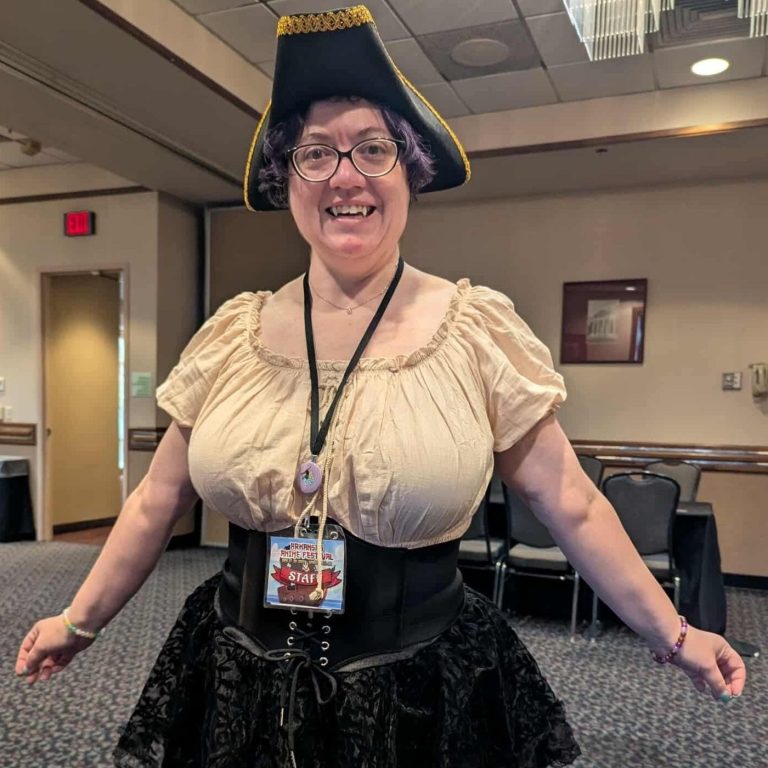
The Inspiration
I really loved my vampirate idea, but I no longer owned any of the pieces, and they wouldn’t have fit right. I wanted to update the costume, especially since I had a fancy new set of fangs.
The Sourcing
The Accessories
The Events
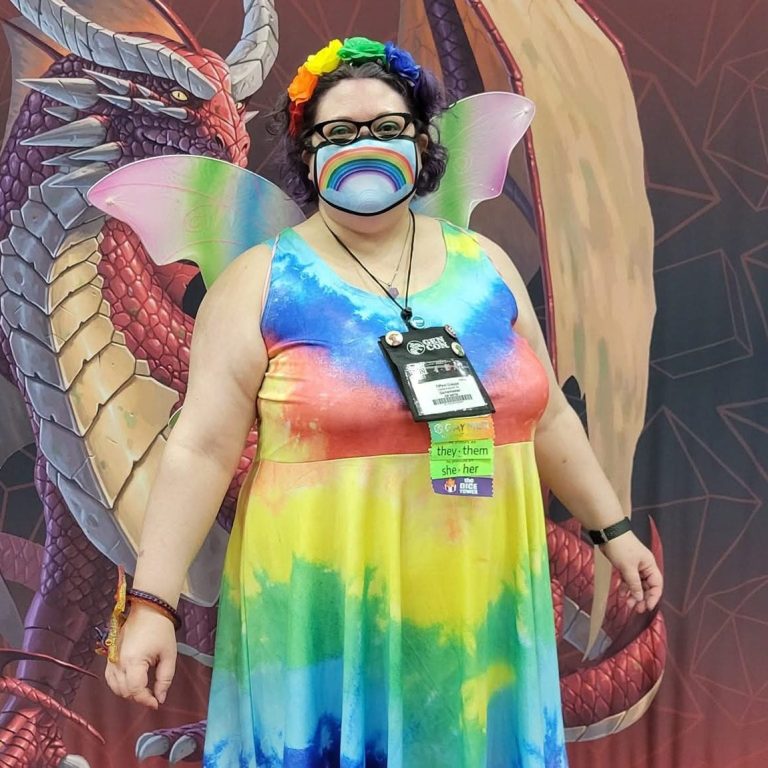
The Inspiration
This is another case of my looking around to find a cheap way to assemble a costume. I’d always wanted to do a fairy costume, and I liked the idea of a fairy promoting being your authentic self. I loved this rainbow dress, so I used it as the basis of the costume.
The Sourcing
The Accessories
The Event
Gen Con 2021, Indianapolis, IN
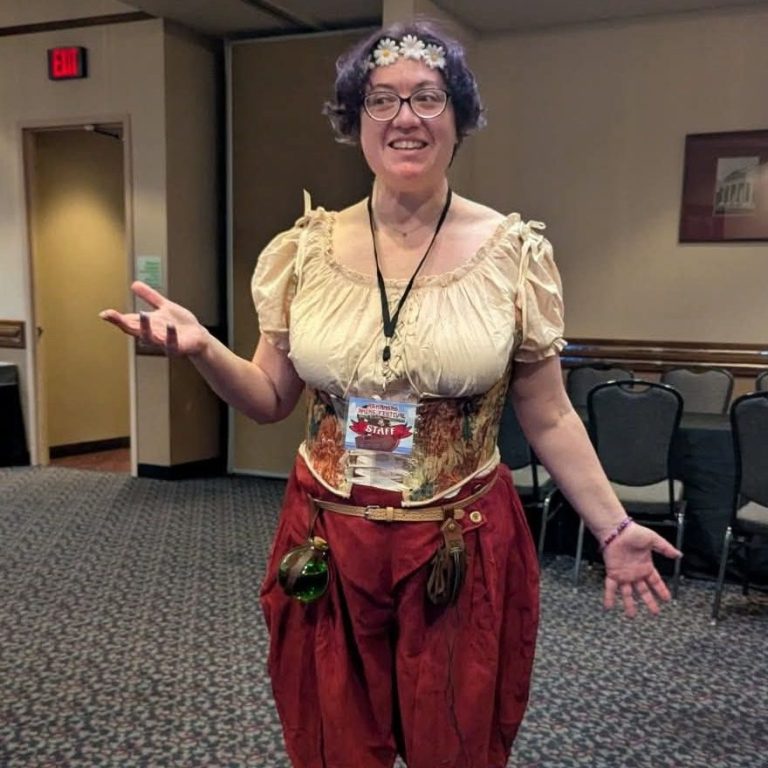
The Inspiration
Lavinia is my bard character in one of the Dungeons & Dragons games I’m in. She’s a hillbilly halfling who sings, juggles, and does acrobatics (so skirts are out of the question).
The Sourcing
The Accessories
The Events
It’s officially my favorite time of year! It’s less miserably hot (though still VERY warm this year), the leaves are changing (well, will change eventually), and it’s a month away from Halloween.
I run a weekly board game night at my friendly local game store, or FLGS. (Shout out to The Geek Realms in both Springdale and Fayetteville!) There are a lot of horror board games on the market. I chose a slate of spooky board games last October, and I’ve done the same for this year. Here are the games we’re playing, plus a couple of extras.
This is one of the games I featured last year based on a recommendation from one of my regular players. In the game, played cards tell a story of players’ glorious Viking feats and players “correct” others’ stories by modifying cards.
While not specifically spooky, the theme of death makes it Halloween adjacent. One of the things I really like about this game is that it gives players who like to tell stories a chance to do so, whether by giving additional details when playing cards or by using the storytelling mode, which ignores the rules and uses the images on the cards to inspire the stories. This makes my former theater kid heart happy.
This is also a game that I featured last year. It’s one of those games that somehow appeared in my collection without me knowing where it came from. It’s kind of like Cards Against Humanity but with an extra set of dare cards added to the mix.
I’ll be honest; we didn’t enjoy it much. It’s very much like its better known inspiration, but without any of the naughtiness...or humor. The dare cards didn’t really add much to the experience. It’s not coming back this year.
This is another game that I featured last year. Like the other Horrified versions, it’s a cooperative game where players work to defeat two or more monsters from around the world, each with its own rules and win condition. This version features creatures like the Yeti, the Sphinx, and even Cthulhu.
I featured this version of Horrified last year because I didn’t have the original Horrified, which I felt was a better fit for Halloween. I love the Horrified games, and this one is no exception. I like cooperative games, and having different monsters to battle keeps the game interesting through multiple plays. The art style is also fun and distinctive.
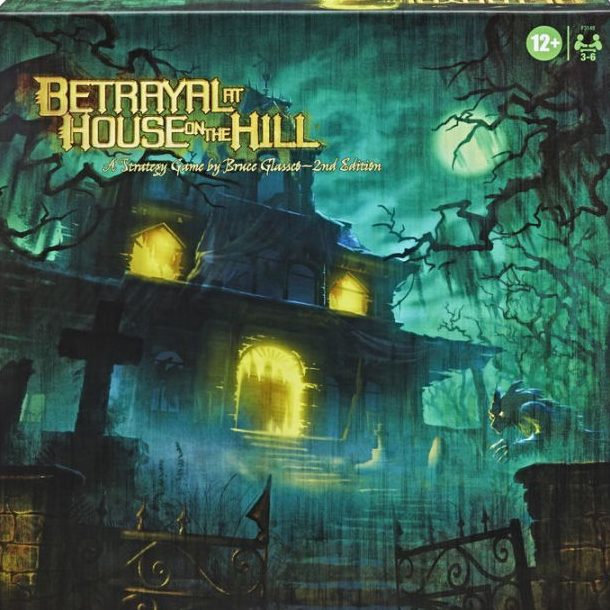
I featured this game last year, and I’m bringing it back this year as well. In the game, players explore a spooky house together. Various creepy events happen until one finally triggers a player to turn traitor and battle against the others for victory.
This is one of my favorite games at any time of year, but it’s especially well-suited for Halloween. While the paranormal is present throughout the game, the tension of knowing that it’s just a matter of time until you’re betrayed (or doing the betraying) adds to the atmosphere.
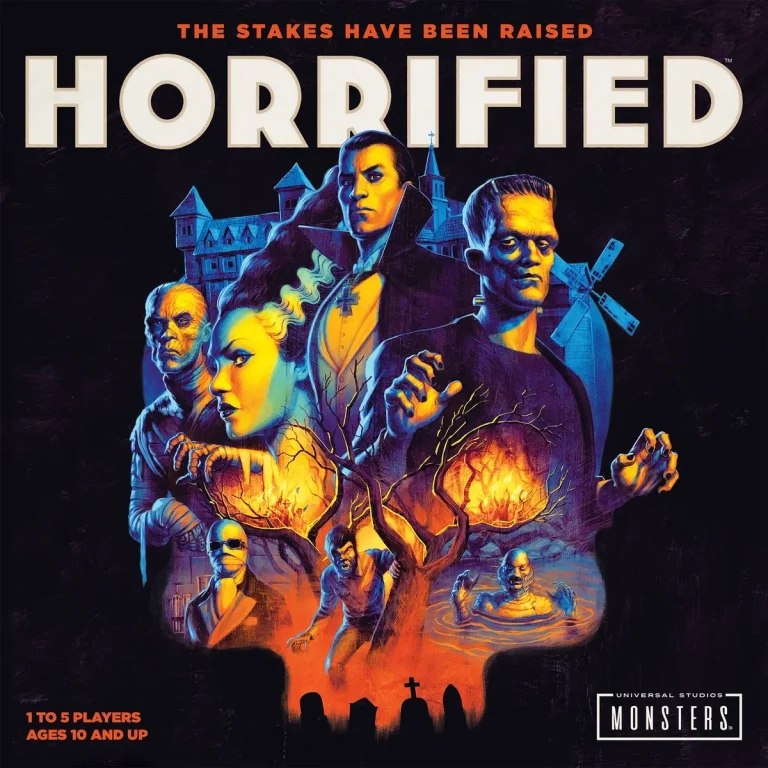
Yes, I did pick up the original recently! This one has the same basic gameplay as Horrified: World of Monsters, but it features the old Universal movie monsters like Dracula and the Creature from the Black Lagoon.
Horrified: World of Monsters was a good choice for last year’s board game nights, but I’m excited to bring the original to the table this year. This was the one that made me fall in love with the Horrified series.
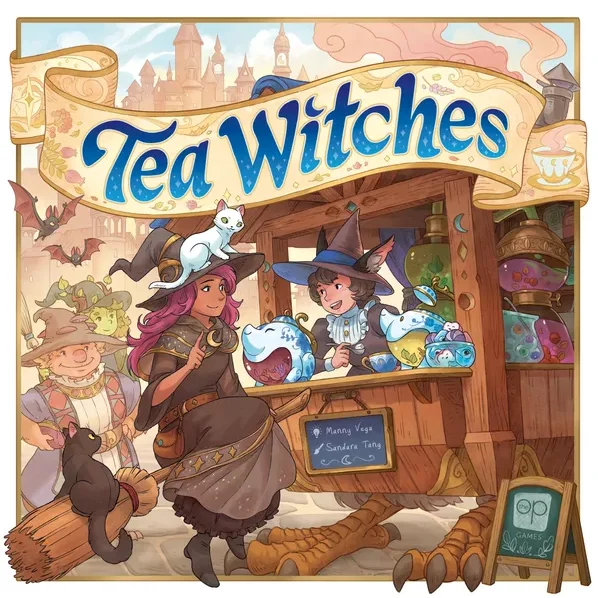
I’m bringing this game to board game nights for the first time this October. In the game, players send out adorable TeaPups to collect resources and serve tea to witches at the four-day Teaquinox Faire. The game board features a spinning, token-holding fountain in the center.
I love this game! I have a short attention span, and this is a game that can be set up on a table and left there to play a round or two at a time. I have a feeling that this will also be a benefit at board game night, as I doubt we’ll make it through all four rounds.
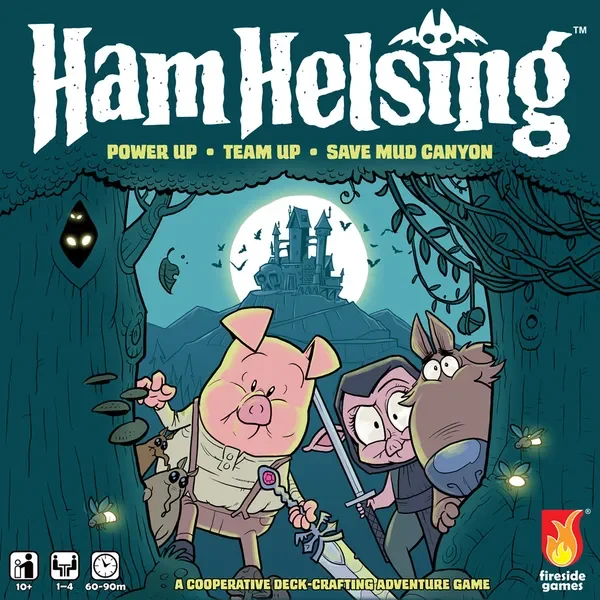
This one is a new game for this year. It’s a cooperative deck-building game based on a graphic novel about a monster-hunting pig. Players upgrade their cards by sliding a series of transparent overlays into the sleeves on the card.
This game was “the one that got away” for me at Gen Con last year. I saw it, thought the transparent card overlays were really cool, and ultimately decided not to go back into the Vendor Hall for it. I didn’t make that mistake again this year. I haven’t had a chance to play it yet, but I’m excited to try it.

Lorem ipsum dolor sit amet, consectetuer adipiscing elit. Aenean commodo ligula eget dolor. Aenean massa. Cum sociis natoque penatibus et magnis dis parturient montes, nascetur ridiculus mus.

Lorem ipsum dolor sit amet, consectetuer adipiscing elit. Aenean commodo ligula eget dolor. Aenean massa. Cum sociis natoque penatibus et magnis dis parturient montes, nascetur ridiculus mus.
Sukkot is a Jewish agricultural and religious festival. The date changes each year since the Jewish calendar is lunar, but the holiday begins on 15 Tishrei (five days after Yom Kippur). This year, the holiday begins at sundown on September 25 and ends at sundown on October 2.
Sukkot is possibly the most fun holiday in the Jewish year. While not entirely accurate, I sometimes describe it as “Camping Thanksgiving.” Here’s more details about one of my favorite holidays.
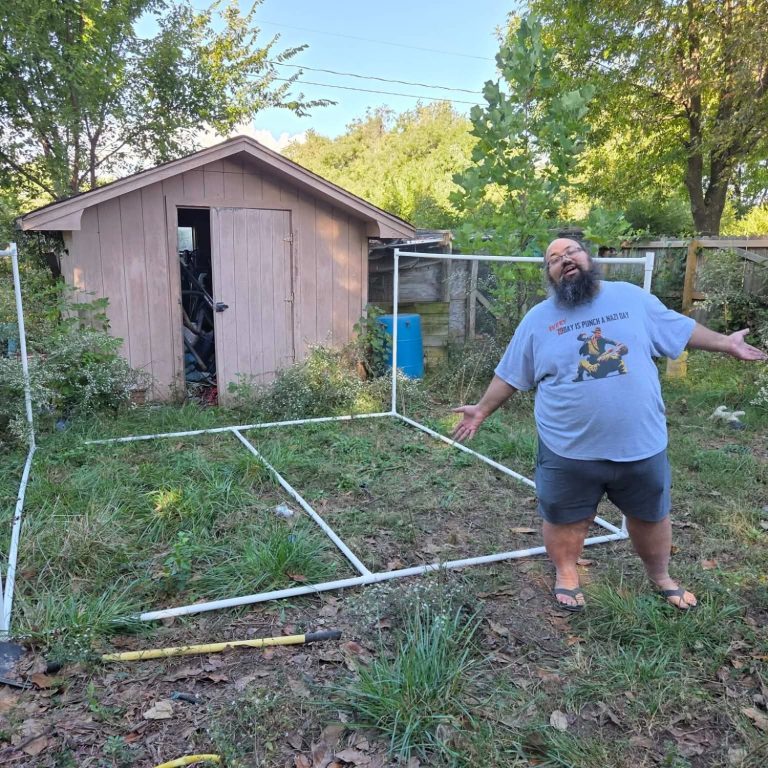
Sukkot is the plural form of sukkah, or booth. A large part of the holiday is building the sukkah and spending time in it. Some families even sleep in theirs, but hanging out and eating meals are far more common.
In order for the sukkah to be kosher, it must meet certain requirements, such as being entirely under open sky, having at least two walls, and having walls that don’t move in a normal wind. The roof, or schach, also must meet specific standards, like being made from natural materials and being thick enough to create more shade than sun but thin enough to see stars through it.
We built our first sukkah last year. It definitely had some issues, but we learned a lot. I found instructions online for a 10’ cube one made from PVC pipe. We put it together and realized we had no way to reach the top to hang the walls, so we cut it down to a 7’ height. The wall panels I’d made from shower curtains and duct tape were now too long, so we tucked them under the PVC to keep them from flapping. They caught enough wind that we had to put a rope around an upright piece of PVC pipe to keep the sukkah from blowing over.
I had bought some (expensive) schach mats made from bamboo, but our PVC structure was too flimsy to support the weight. I ended up improvising a schach from wildflowers in the yard. (I ended up using chicken wire, which isn't kosher, but I'll have a better plan next time.)
Did You Know?
Sukkot aren’t just for using in the back yard. Some organizations create sukkot for public use. They can even be found on aircraft carriers, on boats, or atop vehicles!
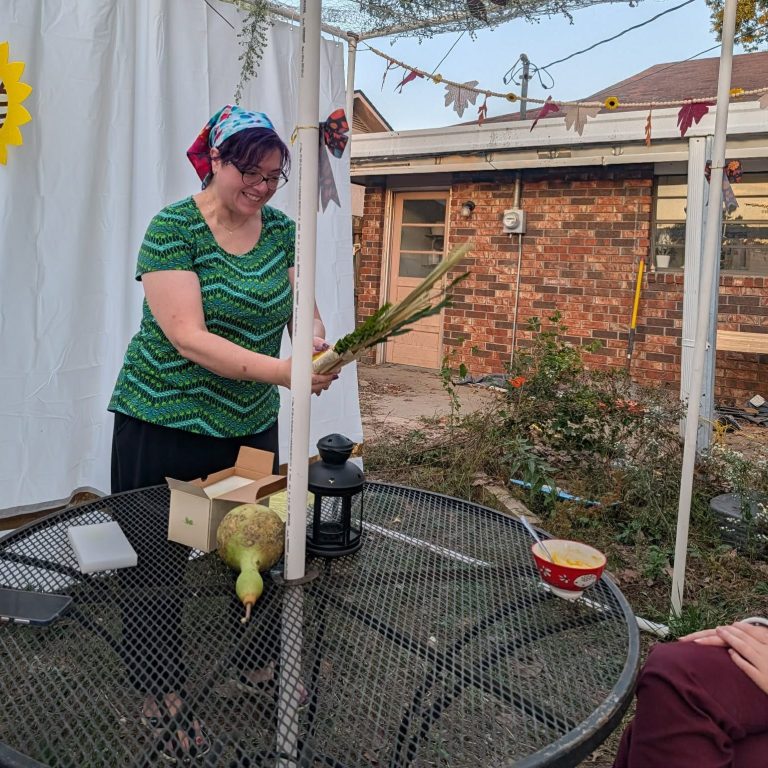
Shaking the lulav and etrog is a fun Sukkot tradition. The lulav is made up of three items: lulav (palm frond), hadass (myrtle), and aravah (willow). These are held in one hand with the etrog (citron) in the other and waved in all four directions as well as up and down.
There are extremely strict requirements for the freshness and quality of the lulav and etrog. There are several retailers who sell them online, and some even carry multiple different sets, from the minimum for the holiday to fancier sets to children’s sets.
Last year was my first year to buy a lulav and etrog. When they arrive, the myrtle and willow immediately go into the fridge to keep them fresh for the holiday. (Each set comes with a long plastic bag to protect the lulav and keep it fresh between shakings.)
I’ll never forget the first year I shook the lulav and etrog, several years earlier. I was in the sukkah at synagogue with the other members of Jewish Young Professionals. I was REALLY excited about my first Sukkot and shaking the lulav and etrog. Everything was fine until I turned to the side. I immediately whacked the person next to me right in the face. (Fortunately, she was fine.)
Did You Know?
The etrog has a little knob on the end known as the pitom. If the pitom is damaged or broken off, it’s not kosher to shake for Sukkot.
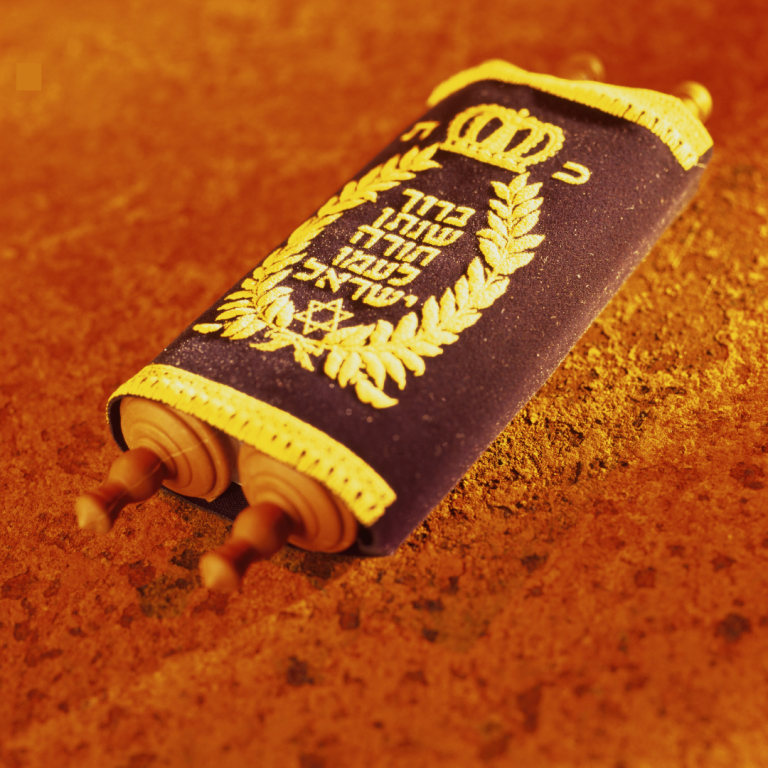
Sukkot is immediately followed by two additional holidays. The first is Shemini Atzaret, or the Eighth Day of Assembly. The second is Simchat Torah. Simchat Torah, or “Joy of Torah,” celebrates the end of the yearly reading cycle and the beginning of the new one. It’s customary for the congregation to dance around with the Torah scroll as part of the celebration.
Last year, one of the authors I enjoy reading, Sarah Tuttle-Singer, referenced a holiday I hadn’t heard of in one of her posts. It was called Acharei HaChagim. I wondered how my education could be so lacking that I missed an entire holiday, so I frantically Googled it. It’s Hebrew for “After the Holidays.” I felt that one in my soul. Lol
Did You Know?
The meaning of the holiday Shemini Atzaret isn’t completely clear, mainly because of uncertainty around the definition of atzaret.
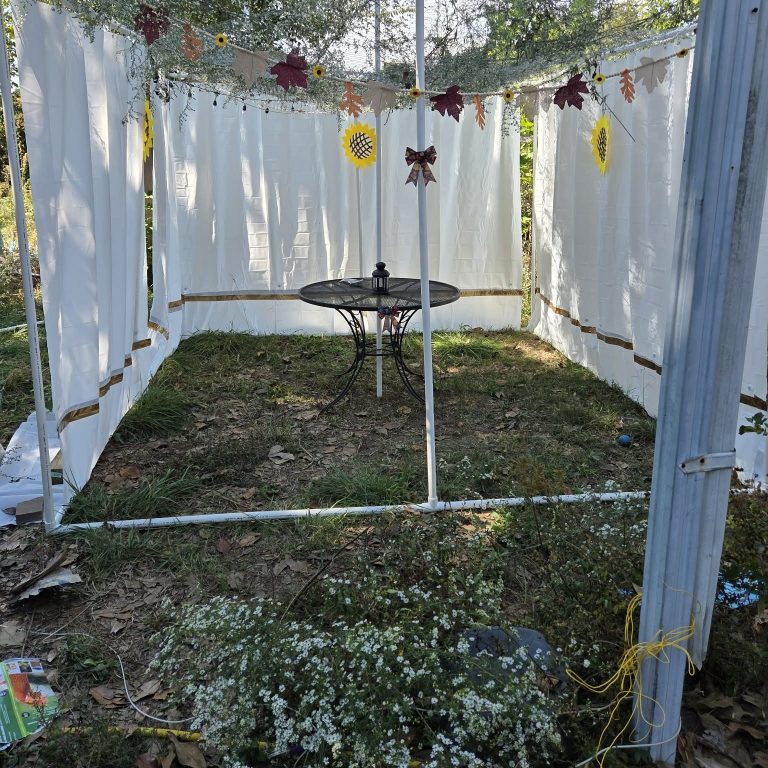
Since we moved and don’t have a yard right now, I won’t be building my sukkah. All of the pieces are in storage until I have a yard again. Instead of spending time in the sukkah, the plan is to go on a family picnic. I haven’t nailed down the menu yet, but I’m thinking something simple like wraps, fruit, and cookies.
I will be shaking the lulav and etrog for the holiday. Mine have already arrived, and the myrtle and willow are waiting in the fridge. The holiday may look a little different this year, but we’re still celebrating.
Rosh Hashanah is the Jewish New Year. The date changes each year since the Jewish calendar is lunar, but the holiday begins on 1 Tishrei (the first month of the civil year, or the seventh month of the religious year) in that calendar. This year, the holiday begins at sundown on September 11 and ends at sundown on September 13.
There are special rituals and special foods for the holiday, and each one speaks of preparation to leave the old year behind and move forward into the new one. Here are some interesting facts about this holiday.
Rosh Hashanah is a celebration of the new year, but it’s also a time of spiritual importance to practicing Jews. It’s a holiday in its own right and a companion to the next holiday, Yom Kippur, often known as the Day of Atonement. It’s said that names are written in the Book of Life on Rosh Hashanah and sealed there on Yom Kippur.
The two holidays are only a few days apart, with Yom Kippur beginning on 10 Tishrei. Unlike Rosh Hashanah, which is food-filled celebration, Yom Kippur is a full-day fast from both food and water.
Did You Know?
It’s customary not to nap on Rosh Hashanah, as it’s believed that sleeping at the beginning of the year also causes your good fortune to sleep. Some people even stay up all night!
While both shofars and tashlich are usually part of the first day of Rosh Hashanah, both are moved to the second day this year. This is because the year begins on Shabbat, which affects the traditions.
The shofar is blown as part of the morning services. A shofar is a horn, usually from a ram but sometimes from other animals, that is blown like a trumpet on Rosh Hashanah. There are different patterns of blasts, giving the shofar different “voices.”
Tashlich is a ritual rather than an object. People walk to a body of fresh water, recite specific prayers, and symbolically release their mistakes from the past year into the water. (Some people use breadcrumbs as a symbol.)
Did You Know?
Some Chabad rabbis will make “house calls” to blow the shofar for Jews who can’t make it to Rosh Hashanah services.
Rosh Hashanah, like most Jewish holidays, has several symbolic foods. Many of them are eaten in hopes of attracting good fortune in the new year. Several have names that are puns in Hebrew or related languages. Here are some of the common ones.
Honey and Apples
This food is the one most widely associated with Rosh Hashanah. Dipping apples in honey is said to bring a sweet new year. Many people serve honey cake, apple cake, or honey and apple desserts at their holiday dinner.
Fish Head
A fish head is said to symbolize being the head and not the tail. Not everyone serves a fish with a head, but a lot of people serve fish in some form.
Simanim
These are symbolic foods. Some Jews serve them as part of the Rosh Hashanah meal, but the Sephardic and Mizrahi Jews of the Mediterranean and Middle East serve a seder meal similar to the one at Pesach (Passover), with blessings for each food. This seder includes dates for peace, pomegranates to be full of good deeds (since the pomegranate is full of seeds), green beans for prosperity, etc.
Ashkenazi Jews also have simanim, but fewer of them. Some are shared between the groups, such as leek and pumpkin.
Round Challah
Challah is a braided egg bread that is often part of the Shabbat meal. On Rosh Hashanah, the Challah is made into round loaves instead of long braids. (I’m really bad at getting the braids to hold their shape.)
Did You Know?
The custom of eating simanim is very old, dating back to the days of the Talmud. Honey and apples are a later, medieval addition.
Here are the foods I’m making this year. I’m trying to incorporate some of the simanim into the food. I’m working around some food allergies and intolerances as well. I’m usually cooking for only a few people, so I keep the menu pretty small.
If you’ve spent much time around board gamers, you’ve probably heard of Kickstarter. Kickstarter is a crowdfunding site that’s often used to find financial backers for a specific project. While it’s often used to fund the production of new board games, it can be used for other projects, too. (One I considered backing was a cookbook of historical recipes.)
If you’ve ever been curious about how Kickstarter works and how to back exciting new games, keep reading for an overview.
The process of backing a project is actually fairly simple, but there are a couple of things to check. A lot of projects have multiple levels of support to pledge, and some offer different items and combinations of those items. For example, the Dungeon Crawler Carl role playing game (RPG) had tiers based on loot boxes in the books, like Platinum and Celestial, and each tier had its own price and list of included items. (It was on BackerKit, which is very similar to Kickstarter.) The game Things on Strings was part of a Kickstarter project for a few games but was available to back on its own or with another game.
While the price is part of what differentiates different levels of support, it’s still important to check it even if the project offers only one backing option. I fully expected to back one project, but I backed out when the price was about five times what I expected to pay. I’m really glad I checked!
Another important thing to check is the timeline given for the project. These dates will almost certainly change, but they’ll give you an idea of when to expect your reward (or if something is going horribly wrong).
One of the great things about Kickstarter and backing projects on it is the amount of communication that the creators provide. Some send updates more frequently than others, but regular updates are common. These will cover anything from where the project is in production to timeline changes to interviews with creators. If a project has extra rewards that unlock if enough money is pledged, those are usually announced via these updates, too.
Depending on the type of project, the creators may send out a print-and-play version via PDF. Both the Dungeon Crawler Carl RPG and a deck of cards that I backed have done this. Sometimes there are multiple versions as creators continue to refine their product. (I’ve had 2-3 versions of the deck of cards with improvements on each.)
While backing a project on Kickstarter can feel a lot like pre-ordering something, there are instances where a completed product may never be available. Here are some of the things that can go wrong when backing a project.
The project doesn’t fund.
Creators come to Kickstarter to get the funds to bring their project to life. Not raising enough money in pledges often means that the product won’t be made. Refunds aren’t always available as Kickstarter hands off the money to the creator, who may have already spent it on expenses related to the project. Kickstarter expects creators to explain what’s keeping them from finishing the project and how the money collected for it was used.
While projects sometimes don’t fund, this doesn’t seem to be super common, at least among board game projects.
The project is delayed.
This is extremely common. Projects sometimes take longer than expected. The update emails from the creators often address any delays (or announce that everything is on schedule). I’ve heard anecdotal tales of delays of up to a couple of years, but I personally haven’t seen anything like this.
The project is a scam.
This is extremely rare, but it does happen. Erik Chevalier collected around $122,000 to produce a game called The Doom That Came to Atlantic City, but he then pocketed the money without producing anything.
When I’m choosing projects to back, I consider a couple of things. The first is whether I’m familiar with the creator. If it’s a company whose games I already own or whose prototype I’ve seen at Gen Con, I’m more likely to back it. I also make sure not to pledge more than I’m willing to lose. I’d hope not to lose money to a scammer at all, but if I do, I’d rather lose $20 than $200.
It’s time for another edition of fun trivia “facts” from my research for my trivia nights. These are often incorrect information that fooled me until I started researching it to write a question about it. (For me, a lot of the fun of writing trivia questions is all the weird stuff I learn while researching.) Here are five of my recent favorites.
Fact: Astronauts are still subject to gravity but float because they’re in free fall.
According to Smithsonian Magazine, the astronauts are moving forward and falling towards earth at the same rate, so they seem to float. Astronauts are around 200 miles above the surface, which isn’t far enough away to reduce Earth’s gravitational pull.
Fact: A vomitorium was an entrance or exit of a stadium or theater.
According to Scientific American, Roman author Macrobius was the first to write about the vomitoriums. He created the word from the existing word “vomitus” and added “orium” to make it a place name. Vomitoriums are named for the way they spew the crowds out of the structure.
Fact: Toilet water is unaffected by hemisphere.
According to Britannica, the water in the toilet flushes the same way in both hemispheres because it’s the jets in the toilet that determine the direction. Even if the jets weren’t there, the toilet doesn’t have enough water in it to be subject to the Coriolis effect, which affects the movement of large bodies of water in the two hemispheres.
Fact: The Mills Commission knowingly reported this inaccuracy, partly to hide the non-American origins of the game.
According to NBC Sports, baseball has its origins in various ball and stick games played in England, including a children’s game called “rounders.” The commission asked multiple people for origin stories, trying to find one that made baseball a wholly American game. Albert Graves claimed to remember Doubleday creating a field and rules of the game, even though Graves would have five years old at the time (among other possible inaccuracies). Though Doubleday passed away after baseball was well-known, no one mentioned him as the creator of it at his death. The myth was debunked by the mid 20th century.
Fact: Twinkies are mostly flour and sugar and have a shelf life of 45 days.
According to NPR, Twinkies contain many of the same chemical ingredients as other processed foods, which replace certain ingredients that spoil quickly, such as butter, milk, and eggs. This helps extend the Twinkies’ shelf life, even though they contain only one true preservative.
I started Side Quest Events because I love bringing people together. While people connect with others they know at the type of events that I was planning, I chose to focus on board game and trivia events because of the way people connect there. Players come in expecting to meet and compete against people they may not know, and new friendships are forged.
While there are a lot of ways that players form these connections, I’d like to talk about three from my experience: the stranger at board game night, the coworkers, and the people you’re trying to get to know.
Whether you’re attending a board game night at a friend’s house, a game store, or another public place, there will often be one or more people that you don’t know. Whether you’re an introvert or an extrovert, playing a board game is a great low-stress way to make an acquaintance. Playing a game naturally gives you something to talk about, even if that conversation starts as just, “Hey, your turn.” If it’s a cooperative game, you also have the bonus of sharing a common goal. Also, many game nights have regulars, so you’re interacting often with the same people consistently as well.
Since I help run a board game night at a local store, I have made friends this way. One of them attended for a while but had to stop for a period of time when work got crazy. We stayed in touch, and he ended up getting to go to Gen Con with us. (He’s also starting to come back to game nights again.)
There are times that these friendships don’t take off as well. Sometimes people attend only a few game nights or never really interact with anyone outside of game night. This is fine, too! As long as people are feeling a connection to others, there’s a benefit to it.
These connections can happen a couple of different ways. There are good reasons to play games in the workplace. They improve communication between players and provide a low-stakes way to observe how those around you strategize and react. Coworkers can also choose to meet and play games outside the workplace (just for fun).
I’ve actually had this work both ways. One of the tasks I handled at my previous job was creating trivia questions, games, etc. for teambuilding exercises. These skills obviously translated to the work I do with Side Quest Events.
One of the core members of my gaming group used to be a coworker. We had actually been playing Dungeons & Dragons with a different group, but he met the friends I game with in the preparations for my wedding. He started gaming with us, and the rest is history.
This is also not a hard and fast way to make friends. These are still your coworkers, and some people don’t socialize with those they work with. This is perfectly understandable. As long as you’re getting a break in your day to socialize, that’s good enough.
Playing board games with new acquaintances is a lot like making new friends at game night. However, these may be people you’ve met before or new people to meet, like a new partner’s friends. The same benefits of something to talk about and a possible shared goal are still there, as well as something to focus on other than trying to make a good impression.
I’ve been on both sides of this scenario. Since our game group is basically a chosen family, bringing a new partner to a game night is an easy way to introduce them to everyone. I also got to know my partners’ friends through gaming. I had met everyone at once in the space of a weekend, so knowing that I play with so-and-so on Saturday but such-and-such is someone I play with on Thursdays helped me keep everyone straight for a bit.
This is also not a guaranteed way to make new friends, as nothing ever is. Depending on the situation, that may be a larger problem than simply not wanting to game together.
One of the things I love about board gaming is that there’s always something new and fun coming out. Whether it’s a new game, an update to a beloved older one, or even a new gaming accessory to make life easier, there’s always something on my wish list.
Here are five of the current items on my wish list. There are three board games, a collectible trading card game, and a new accessory.
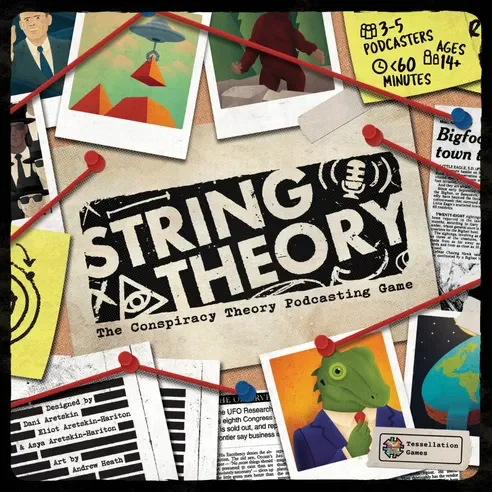
Excursions is currently at the top of my wish list. It’s set in the same world as Galactic Cruise. I’ve wanted to play Galactic Cruise, but I know that I simply don’t have the attention span for it.
Excursions is a shorter game with simultaneous play for people like me who want a shorter version of Galactic Cruise. (It’s also significantly cheaper and probably weighs a lot less.)
When to Get It: The Kickstarter is launching on 10.6.26.
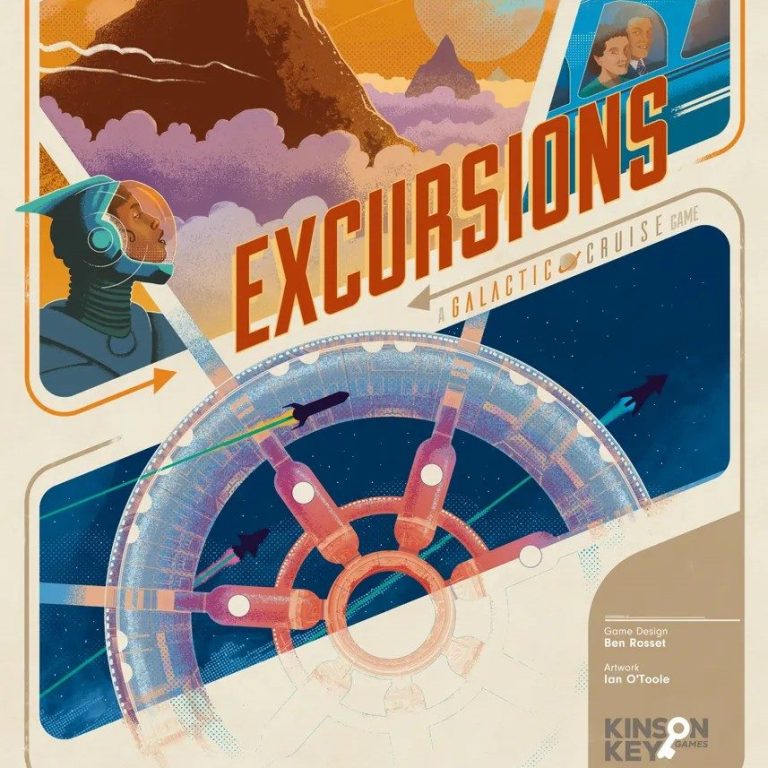
String Theory is a game I stumbled across in a Facebook ad. In it, players are podcasters who are trying to grow the biggest audience of sheeple by stringing together theories (literally) with a bobbin and string.
The bobbin and string component is different and fun, and it sounds like a game where creating a narrative and telling a story are a large part of it.
When to Get It: “Coming soon” to Kickstarter (no date provided).
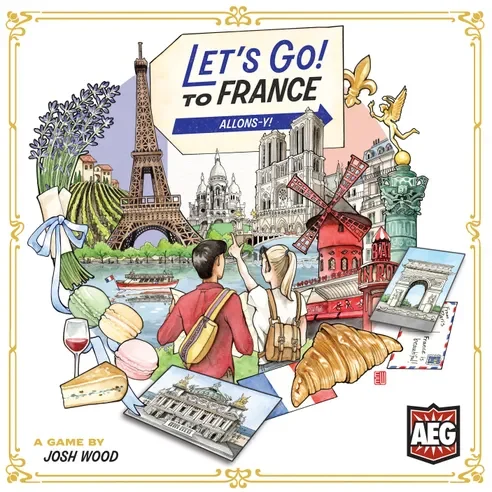
Okay, I’ll admit it. I’m a bit of an AEG fan, but it’s my love for Let’s Go! To Japan that makes me want Let’s Go! To France.
In Let’s Go! To Japan, players create a week-long itinerary for their trip and then tell the story of each day’s events to the other players. I assume that Let’s Go! To France will work in much the same way. The storytelling is my favorite part of the game!
When to Get It: Let’s Go! To France is available to back now on Kickstarter.
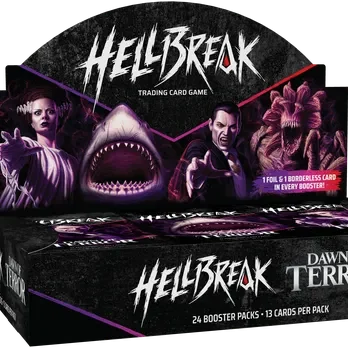
Unlike the previous games, Hellbreak is a collectible trading card game, like Magic: The Gathering or Lorcana. Players build decks to battle two movie monsters against each other. The monsters come from several different studios’ movies and include characters from Dracula to Jaws.
As a Magic: The Gathering player and a fan of the original Horrified game, I love the idea of duking it out with movie monsters.
When to Get It: Hellbreak is expected to release in October 2026.
CardMill is a collectible trading card scanner and sorter. It detects the card type and has two different trays to sort them. One is for alphabetical sorting, and the other is for sorting by other criteria.
CardMill works with several different trading card games, including Magic: The Gathering, Pokemon, One Piece, and Lorcana. (Hellbreak isn’t on the list, but they’re still adding more games.)
My partner backed this on Kickstarter, and we’re really excited for it. Our collection isn’t huge, but this will still save a lot of time and effort.
When to Get It: The Kickstarter has ended, but you can still preorder the CardMill via Kickstarter.

I’ve written a few posts in the past few months about conventions in general and about Gen Con, and I’m going to add one more: an account of how my Gen Con went this year.
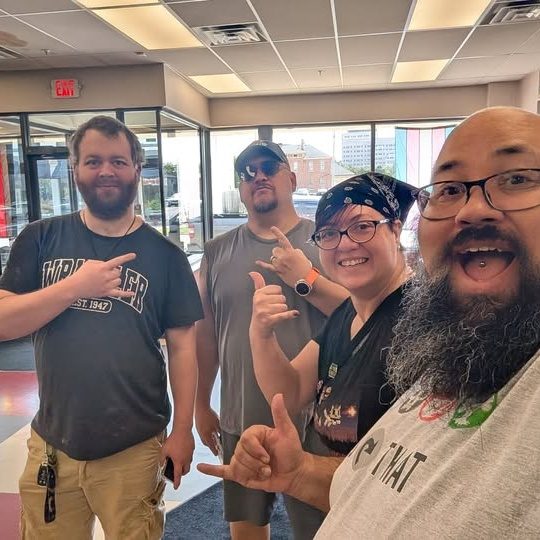
I went to Gen Con this year with my partner (the guy with the big beard) and two of our friends. This was my sixth Gen Con, my partner’s third, and our friends’ first. The four of us helped three board game publishers by teaching their games to players.
I want to give a shout out to Calliope Games, the publisher I helped this year. They sent me fun games to learn and teach, clearly communicated with me, and gave me four new awesome shirts. Thank you, Calliope Games!
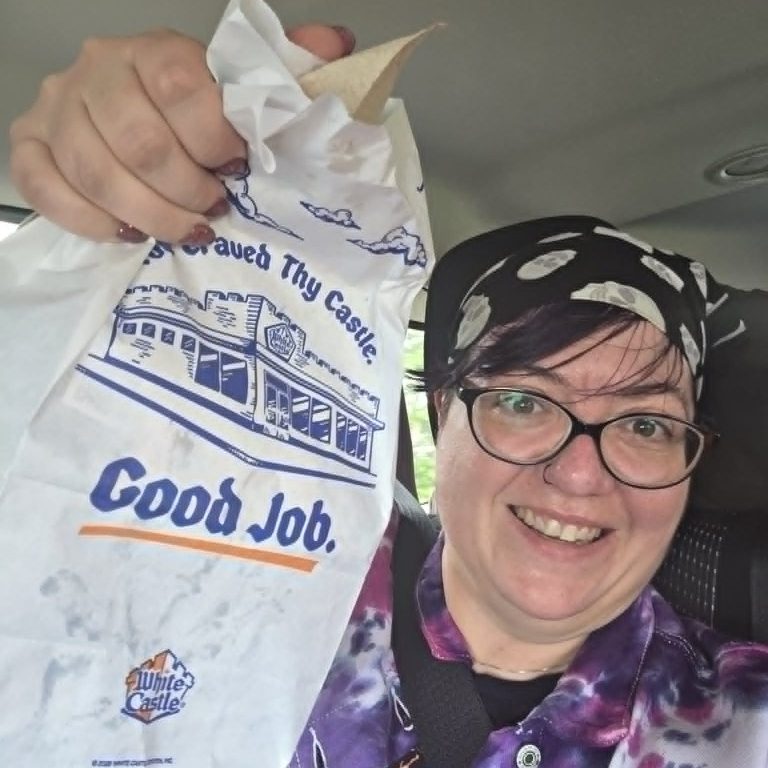
I said this year that the best meals at Gen Con are the ones when I arrive. It all gets more and more unhinged from there.
We have a couple of food traditions when we go to Gen Con, such as stopping for White Castle in St. Louis and eating lunch at Shapiro’s Delicatessen once we get to Indianapolis. After that, we tend to rely on whatever is quick and easy.
This year, we were at the Hyatt Regency, which had a pizza place, a Subway, and a hotel bar. I never quite figured out the hours of the pizza place, and food allergies make pizza a challenge, so I ended up eating most of my meals at Subway. By Saturday night, I was asking for anything other than Subway. Lol
I’m not much of a drinker usually, but I had a Dirty Shirley each evening after teaching. Dungeon Crawler Carl was everywhere at Gen Con this year, so it seemed appropriate.
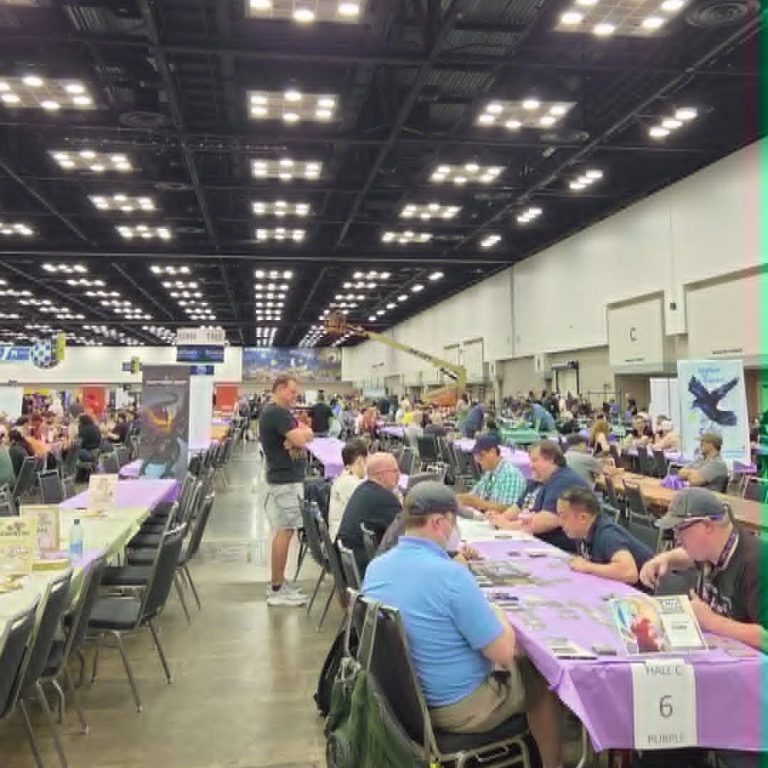
On Friday morning, I commented to my partner that I needed a good, funny story for the blog. This was not a smart thing to do.
The four of us were relaxing in our hotel on Friday afternoon before our shift when the fire alarm beeped, like an announcement on a cruise ship. The announcement said that an emergency had been reported in the building, the fire alarm system had been activated, and to please shelter in place. They gave the all-clear a few minutes later.
Two defining events of Gen Con 2026 happened on Saturday: the tornado warning and the various “indoor weather events” (a.k.a. leaks, leaks everywhere). I was legitimately scared during the tornado warning. I didn’t know how close the tornado was, had no window to see what was happening, and my partner was working upstairs. (I felt much better once he and our friend were downstairs.)
There were three main leaks I heard about Saturday night, but only one of them was near me. I’ve seen footage of the leaks at the Dungeons & Dragons Carnival at the Indiana Repertory Theatre and the burst pipe under Lucas Oil Stadium, but I was in the same room as the leak in Hall B of the Indiana Convention Center. I was technically in Hall D, but the halls were open to each other.
While I was still in Hall D, one of my Facebook friends tagged me in a news story about what was happening, and I answered with this photo of the repairs.
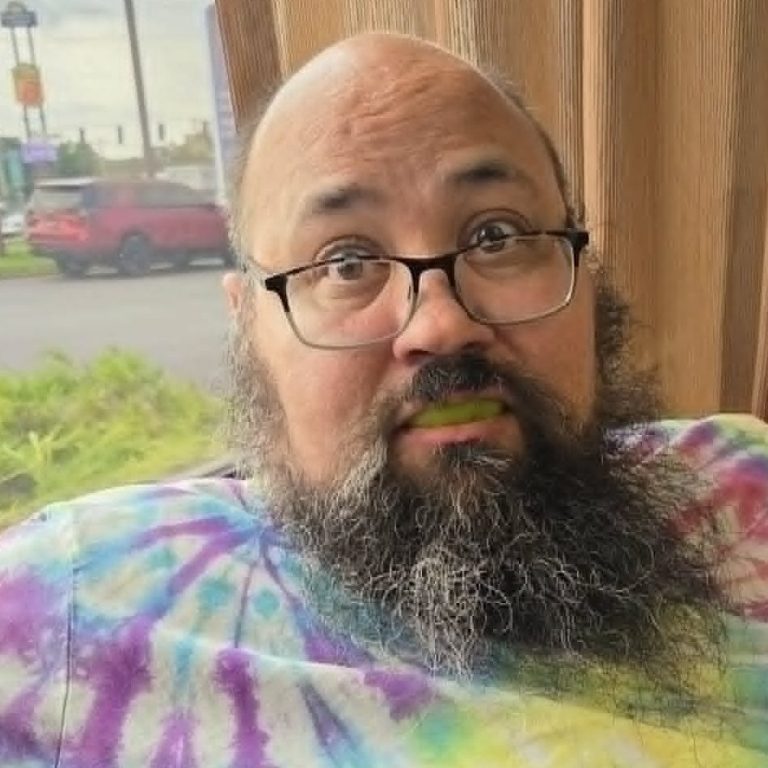
While I did jinx myself (and a whole convention?) by saying that I needed funny stories, there were some genuinely funny things that happened in addition to us just laughing and having a good time.
My tables were next to the tables for the game Heroes of Barcadia, which is usually played with glasses of beer. There were several pitchers of green liquid on the tables, and I assumed that it was lime Kool-Aid. Lime Kool-Aid sounded really good, and I wondered if they might share a little Kool-Aid at the end of the demo. After watching people pour the liquid back into the pitchers a few times, I decided that I no longer wanted to drink it (and that it was probably colored water). I told the person doing the demo about this, and we joked about the “lime Kool-Aid” and “cherry Kool-Aid” from then on.
When we were bringing down our luggage on Sunday morning, the four of us, our stuff, and a couple of other gamers took up the entire elevator. The elevator stopped on nearly every floor because everyone else was trying to come downstairs to check out, too. I apologized at each floor. I felt bad that we couldn’t fit anyone else in, but at the same time, the whole thing struck me as really, really funny. I was laughing so hard by the end that I could barely apologize.
And finally...my partner and I were doing some last minute shopping in the Vendor Hall on Sunday when we saw a man dressed as a wizard and his son. His son wasn’t paying attention, so the wizard said “I cast child abuse!” and (gently) moved his son out of the way with his staff. We laughed so much!
Gen Con is just over a week away! I’ve learned my games, I’ve started packing, and I’m so excited that I can’t think about much else. So, before everyone convenes in Indianapolis again this year, I’d like to share a list of my favorite things at Gen Con. This list is completely subjective, but I think there’s probably something here for everyone.
A quick note: there will be no blog post next week. While I’m sure that I could probably schedule one to run on Substack, I don’t think I’ll have the time or bandwidth to upload manually to my website while traveling and checking into the hotel.
Let me preface this one by saying that I’m not a racing fan. It’s not that I hate it; it’s just that it doesn’t really interest me. That being said, I really enjoyed touring the Indianapolis Motor Speedway. Our tour guide was a fan and Indy 500 ticket holder himself, so he was passionate about the subject.
There are a lot of places that are recognizable from even the brief clips and interviews on the evening news. You can take your picture where they do those interviews, which is really fun. You get to go into the VIP areas that I couldn’t afford to visit any other way. They’ll even let you kiss the bricks like the winners do.
The most surprising thing to me was just how big the track is. It’s unimaginably huge. It looks so much smaller on TV, but it goes on forever.
My partner and I have a tradition of stopping at Shapiro’s for lunch when we arrive in Indy, before we dive into the hotel check-in madness. There’s usually a line, but it moves pretty quickly.
The portions are enormous! My partner usually gets a giant pastrami sandwich, and I get a big bowl of the matzo ball soup. I look forward to that soup all year. They offer it both with or without noodles. The desserts look amazing, but we’re always too full to try them.
While we drive to Indianapolis each year for Gen Con, we tend not to see the car for the entirety of the con. We prepay for parking, park the car in the lot, and forget it exists until Sunday afternoon.
While downtown Indy is pretty walkable, it’s still nice to have a ride to a nearby (but non-connected) hotel or a restaurant outside the immediate area. I’ve consistently had good experiences with Lyft. The drivers have been friendly, some of them have good taste in music, and I’ve never had a hard time getting a bigger vehicle when we’ve needed one.
I heard good things about Island Noodles for several years before I tried them. Everyone raved about these noodles, and I thought there was no way they could live up to the hype.
I finally tried Island Noodles last year at the block party the night before Gen Con starts. The line is always long, but it’s another line that moves quickly. There are only two options: noodles and vegetables or noodles and vegetables with chicken. They’re really, really good. If I get a chance to make it to the food trucks again this year, I’ll definitely get it again. (I have nothing against the food trucks; they’re just in an area I don’t go to often.)
These are two little ways to make life easier during Gen Con. A badge wallet is exactly what it sounds like, a badge holder with a built-in section for cash and cards. The badge wallet is so convenient that I kind of wish I could get away with using it all the time.
It’s also a safer way to carry money. While the vast majority of people at Gen Con are there to have fun, there are some bad actors. A badge wallet lets you keep tabs on your money even if the crowd is too thick to notice your pocket being picked.
The souvenir cup is a good investment for me because I drink tons of diet soda. The cup itself is around $25, but each soda refill is only $2 with it. It might be worth calculating whether you think you’ll drink enough soda to make it worthwhile (unless you just want the cup anyway).
The cups themselves vary in quality between years. The 2024 cup was notoriously easy to scratch and the designs rubbed off easily, but the 2025 cup was much better. It’s an item I buy for the discount as much as anything.
The Running of the Nerds is the colloquial name for the opening of the Vendor Hall. Thousands of people congregate at the entrances as they wait to rush inside and snag limited items before they’re gone. (There’s even a creepy repeated chant of “Do not run” before the doors open.)
Unless you really want one of the limited items or really enjoy being crammed so close to others that no one can breathe, I don’t recommend taking part. I’m not aware of any injuries, but it’s not a pleasant experience.
The best place to spend this time is above the crowd. In general, the second floor is much quieter and sparsely populated, and it provides a great vantage point for experiencing The Running of the Nerds with plenty of elbow room.
For me, Gen Con isn’t complete without trying to get the year’s Genevieve ornament and plushie. Genevieve is the dragon mascot of Gen Con. O Christmas Geek (usually in the booth 100-400 range if I remember correctly) has a new Baby Genevieve ornament each year. They carry an array of other ornaments, such as sexy merman ornaments, and they carry some Chanukah merchandise, too. (I usually leave with the new Genevieve and at least one or two things for Chanukah. We’re an interfaith family.)
My Little Demon (usually booth 666) has a new Genevieve item each year as well. Over the years that I’ve been to Gen Con, they’ve had plush versions, a plush version with a magnet to ride on your shoulder, a Squishmallow-style version, and this year’s version is a Genevieve backpack. My Little Demon usually distributes tickets to expedite their releases, so plan accordingly.
This is another of my must-have items each year. Crystal Caste puts out a new set of polyhedral dice each year, and you can buy a Gen Con branded six-sided die to complete it. (They’re usually $2. The Gen Con coupon books usually have a coupon for a free one, but it’s far easier to pay $2 than find a coupon book.)
Crystal Caste usually has a few booths in the Vendor Hall in prominent places. Somehow I never manage to buy just the commemorative set. (Dice goblins unite!)
There are a lot of companies that offer these, and each of them seems to do it a little differently. In general, these boxes contain games that retail for a specific total value, which is more than what you’ll pay. Some companies offer any box for a flat rate, while others will offer tiers (like a $60 box, a $75 box, and a $90 box). Once you pay, you can either take your box now or have it set aside to pick up on Sunday. Given that the boxes are big and heavy, I generally have mine set aside until Sunday.
Some people say the boxes aren’t worth it, but I like them. I’ve gotten some things that I have no interest in playing, but I’ve also gotten some games that I loved enough to make the cost of the box worth it no matter what else was in it. Most booths will tell you which publishers’ games are in their boxes, especially if you ask. Different companies offer different publishers, so it might be worth shopping around.
I’ve never actually attended this event as a player. I’ve worked at it at two Gen Cons and PAX Unplugged, but scheduling conflicts have kept me from going as a player. (I would, though.) Not only do you get to learn some fun new games, but you also get to take them home with you. I’m an AEG fan, so this sounds like a great deal to me!
My favorite AEG Big Game Night was the second Gen Con one that I worked. I love meeting people from all over the world at Gen Con, and the players at my table were from Quebec. They were a lot of fun! A vlogger from a nearby table asked if it would be okay if he explained the game rules to them in French, and I was happy to let him do so because French didn’t click for me when I took it in college. They spoke good English, but when the special guest would call a color, they would shout it back in French. I could at least join in on that! I’m not sure that anyone really noticed us with all the noise in the room, but it’s still a fun memory.
I love playing Dungeons & Dragons (D&D)! I played a few little one-shots in high school between rounds at Quiz Bowl competitions, and I started playing more regularly around ten years ago. With the upcoming birthday of one of the co-creators of D&D, Gary Gygax, I thought it might be fun to talk about my favorite character that I’ve created, Gladys.
I created the original Gladys for a game my partner was running. He listens to a podcast called Worlds Beyond Number, and they had created a Witch class for D&D. We thought it would be fun for me to try it out.
When I began creating the character, I was picturing a grandmotherly herbalist and healer. She had a sentient ponytail that could perform tasks on its own and a chihuahua as a familiar.
Here I should make a side note: I find my characters far more interesting to play if I give them their own voices. Unfortunately, I’m REALLY bad at voices.
In my first game as Gladys, I opened my mouth to speak as her, and this smoker’s rasp came out. This shaped the entire direction of the character. Gone was the grandmotherly herbalist. In her place was Gladys, a sassy chainsmoker with a chihuahua familiar in her purse. Periodically, after encountering an NPC (especially the less human ones), Gladys will take a drag off of her cigarette and ask wistfully, “Should I have given them my ‘numba?’”
There was one problem with finding a character that was so much fun to play: playing other characters didn’t feel right. I have a couple others that I do play in other games, Lavinia the halfling bard and Rainbow Jones the druid, but everything else felt flat.
I figured out the way to fix this when I was writing Gladys’ backstory. I waited until I had played her for a little bit to write it. I had decided already that she had been magically transported from our world to the world of the game. (My partner really loves isekai anime, the ones where people get transported to other worlds, so I have a feeling hearing that in the background influenced me.)
In Gladys’ backstory, she wakes up in the morning with her chihuahua, Muffsie. She makes coffee but finds that she’s out of creamer and the milk is bad. She digs through the fridge until she finds a bottle of creamer that’s a little too bright and too shiny. She pours it in her coffee, takes a sip, then rises into the air and splits into a whole ring of copies of herself that rise through the ceiling. The original Gladys then wakes up in the game world.
Now any time that I want to play a Gladys character, I create a new one of the alternate versions. They can be different classes and each has her own stats, but they have the same raspy voice, sass, and desire to give NPCs their phone number. I also give them each a related but different last name, like Underhill, Understreet, etc.
While part of the allure of the Gladys Multiverse is that I can play the same character any time I want, details about Gladys sometimes flex a little to match the situation.
There are some things that never change. The voice and the sass are necessary to the character. She always has her cigarettes and her chihuahua. At least once per game, she’s going to ask if she should have given someone her “numba.”
The things that change are often based on the class. The original Gladys has the last name Underhill (as she was intended to be an herbalist). She wears a purple pantsuit and carries Muffsie in a red purse with cheetah trim.
The rogue Gladys existed for only a one-shot, so I didn’t really flesh her out. I gave her the last name Understreet and some black leather clothes. I had a vague story in mind of her being a recovered thief, but I didn’t take time to work that into the multiverse story.
A Gladys that I’ve created but haven’t had a chance to play yet is one I call Biker Barbarian Gladys. I’ve never played a barbarian, and I liked the idea of Gladys in biker leathers using a chain to lay waste to the enemies around her (or anyone who tries to fight her at the bar). I reused the last name Understreet for her, and I renamed Muffsie to Beer. (Since Understreet was used for a one-shot character, I decided to reuse it.) I think she’s going to be really fun to play!
Summer blockbusters have been widely anticipated each year for decades. Studios put out fun, flashy movies that are enjoyable (even if they lack depth).
Even movies that aren’t summer blockbusters can be excellent summer movies, either because they feature places or themes that tie in with summer or because they’ve become associated with that time of year.
Here are my top four picks for summer, from oldest to newest.
At first glance, The Wizard of Oz doesn’t seem like a summer movie. Oz feels very springlike in general, and there’s not a beach or campground in sight.
Why is this a summer movie?
My childhood summers always started with The Wizard of Oz. One or more of the local stations would play it every tornado season. While I don’t remember us being under a tornado warning at any time during a viewing of it, it definitely made sure I was thinking (worrying) about tornadoes.
What is my favorite part?
I absolutely love that moment when Dorothy arrives in Oz and everything suddenly goes from black and white to technicolor. I’ve known color TV and movies my entire life, but I still feel a little awe.
How is the soundtrack?
E.Y. Harburg and Harold Arlen’s soundtrack is iconic. Everyone knows “Over the Rainbow” or “If I Only Had a Brain.”
While everyone knows these songs, they’re not necessarily a good fit for a road trip playlist. (If you want a version of “Over the Rainbow” for your road trip playlist, check out the Israel Kamakawiwoʻole version.)
Jaws is considered to be the first summer blockbuster. It had a nearly $2 million marketing budget and a line of tie-in merchandise.
Why is this a summer movie?
There are two reasons this is a summer movie. The first is its setting. The movie begins with a swimmer being attacked by a shark in a beach town. The beach in summer is the perfect setting for a summer movie.
The second reason is a tradition that has grown up around Jaws: the dive-in movie. Nearly any event that involves showing a movie to people in a swimming pool will involve Jaws at some point during the evening.
What is my favorite part?
Dun, dun...dun, dun...dun, dun, dun, dun…
How is the soundtrack?
John Williams’ soundtrack won a Grammy, a Golden Globe, and an Academy Award. The Jaws theme has been called the most recognizable two-note melody in the world.
The score is largely orchestral, so it might not be the best choice for a road trip playlist (unless that’s your jam).
Jaws may have been the first summer blockbuster, but Jurassic Park was the one of the first summer blockbusters to explore the potential of computer-generated effects, something that’s nearly a defining feature of the modern summer blockbuster. It also had a massive marketing budget (around $65 million), a line of toys, and other merchandise.
Why is this a summer movie?
Jurassic Park has a tropical setting that lends itself well to a summer movie, but the movie’s biggest tie to summer is its summer blockbuster status. While the movie was released in June 1993 with the intent of it being a summer blockbuster, the critical acclaim the movie has received makes me think it would have been successful at any time of year.
What is my favorite part?
I was entertained when the dinosaur ate the lawyer off of the toilet. I have nothing against lawyers, but he seemed to deserve it?
How is the soundtrack?
This is another John Williams score, so it’s excellent. Tonya Harding skated to the movie’s theme in the 1994 Winter Olympics.
This is another largely orchestral score, so it might not be to everyone’s taste for a road trip playlist.
Independence Day brought summer blockbuster fun with a star-studded cast and lots of explosions.
Why is this a summer movie?
Independence Day continues the tradition of the summer blockbuster. It’s also named for and themed around the biggest holiday of the summer.
What is my favorite part?
The part where Julius invites Albert to pray and says “Nobody’s perfect” when Albert says he isn’t Jewish cracks me up.
How is the soundtrack?
This soundtrack is another instrumental one, but by David Arnold this time.
It won a Grammy, but it’s another one that’s not the best choice for a road trip playlist.
I love writing trivia questions. I say often that it’s my idea of a good time, and I actually mean that. I take inspiration for my questions from a lot of different sources. A lot of times, I’m looking up some fact that I half remember, trying to verify it before I write a question about it.
While a lot of times I have the fact at least partially right, sometimes I’m confidently wrong. I learn that some “fact” that I read or heard somewhere is inaccurate, or even an urban legend. I’ve learned a lot of fascinating things this way. Here are five of my recent favorites.
Fact: “Ring Around the Rosie” is most likely about courtship.
Over the years, I’ve heard interpretations of the lines of the rhyme that equate them to experiences during the Black Death. “Ring around the rosie” was about the rash. “Pocket full of posy” because people carried bouquets to cover up the smell of diseased and decaying bodies. “Ashes to ashes” and “We all fall down” referred to death.
This blog post from the Library of Congress reviews the classic rhyme in relation to the other versions that exist and concludes that it is most likely about courtship. The Bubonic Plague interpretation is folklore itself.
Fact: Soreness after exercise is caused by microtears in the muscles.
I’ve heard for years that lactic acid built up during exercise and caused muscle soreness. I think I may have even heard this in school. It seems to make sense.
According to this article from Cleveland Clinic, the body does create lactic acid during exercise or other strenuous activities, but it’s flushed from the body too quickly to cause any symptoms. Tiny tears in the muscles cause soreness, but the tears healing makes the muscle stronger.
Fact: It was all an urban legend.
It was rumored that Gandhi, who had the lowest aggression rating, could end up with a negative aggression rating that circled around to the highest end of the aggression scale, causing him to start dropping bombs.
According to this article from The Gamer, this was nothing but a lie. While Gandhi, like any leader in the game, could and sometimes did launch nuclear weapons, he often mentioned them as a deterrent. The error that made him aggressive never existed.
Fact: There is tryptophan, but it’s the whole meal that makes you sleepy.
Most people feel sleepy and sluggish after Thanksgiving dinner. The tryptophan in turkey is believed to make you sleepy because it’s a precursor to melatonin, which regulates sleep.
According to this piece from NPR, there are many foods that contain tryptophan, and turkey contains about the same amount of tryptophan as other meats. Tryptophan has to also fight the amino acids in the meal for access to the bloodstream to the brain, so tryptophan levels in the brain don’t change much.
Fact: There have been several people credited with creating the potato chip under different sets of circumstances, and the recipe may have predated any of them.
A lot of people have heard the story of the invention of the potato chip. A disgruntled customer (most commonly said to be Cornelius Vanderbilt) at Moon’s Lake House in Saratoga Springs, NY sent back his french fries for being soggy, and the chef, irritated at the criticism, sliced the potatoes super thin and fried them to a crisp. The customer loved them, and the rest was snacky history.
According to this information from History.com, Vanderbilt’s Pulitzer-winning biographer T.J. Stiles says that Vanderbilt wasn’t the diner. Several other people have claimed the title of potato chip inventor or been credited with the invention, including Crum’s own sister. Crum was essentially a celebrity chef, so potato chips would have likely been known as his invention if it were true. Also, a New York Herald article from 1849 seems to describe “Eliza the cook” making a crisp potato resembling a potato chip. (Unfortunately, nothing further is known about Eliza.)
Earlier this summer, I wrote a blog post about convention season tips. While these tips apply to any convention, Gen Con is such a large and unique convention that there are additional tips and tricks for preparing for it. Now is a good time to think about a lot of these preparations since we’re about a month away from it.
There are some areas of Gen Con preparation that I’m not addressing, such as the housing lottery and event registration. That’s because I don’t have personal experience with either. These tips are from my own experience.
This is my top tip. Volunteering at Gen Con comes with a variety of benefits, varying by company or organization. This can include things like badges, hotel rooms, hourly pay, etc. in exchange for a few hours of work each day.
I’ve volunteered with the same company all the years that I’ve been to Gen Con. In exchange for working daily shifts in a vendor’s booth or teaching games in a play area, I get a badge, space in a shared hotel room, several board games, and often some reimbursement for gas. I’m not sure I could justify the expense of attending Gen Con every year without doing this, especially with the cost of rooms in connected hotels.
Another reason why I like volunteering is because it feels like part of the fun to me. I get to teach a bunch of nice strangers new games. I’ve had really great interactions with people this way.
Even though we’re close to Gen Con, it’s not too late to find somewhere to volunteer. Many companies are looking for volunteers until the last minute, especially if someone has to drop out. There are Gen Con related Facebook groups where you can find these opportunities.
There are three bad times to have a lot of luggage at Gen Con. The first is when you arrive. If you’re staying in a downtown hotel, you will most likely need to drop your car off in a distant lot before making your way to the hotel, either on foot or in an Uber. Even if someone can stay at the hotel with the luggage, they’ll have to handle it by themselves. Depending on the hotel, the lobby may be too crowded for breathing, let alone wielding luggage. There will also be a lot of other people on the elevators with you who will also have...their own luggage, too!
Another bad time to have a lot of luggage is when you’re preparing to leave the hotel on Sunday. The downtown hotels will hold your luggage for you while you’re at the last day of Gen Con, but you need to get your luggage to the holding area first. If you have enough luggage to need a cart, you may wait a couple of hours for one to be available since everyone else is leaving, too. Being able to tote your luggage without a cart takes a lot of stress out of the situation.
No matter how lightly you packed, you will still wish you had less luggage once you try to load it and all of your new games and merchandise into your car. There was one year that we had stacks of games in our laps and piled around us for the entire trip home because we had overpacked.
There is a place at Gen Con where you can ship your purchases home. This might be an option, too, if you know you’re going to run out of room.
While the trick with packing is to keep your luggage small, part of the challenge with packing your backpack is keeping it light.
Given the fact that your hotel will be a long walk (or even a drive) from the convention center, it’s important to have everything you need for the day with you in your backpack. The convention center has several concession stands, but there’s no restriction on outside food or (nonalcoholic) drink. Bringing your own is more cost effective, especially for food.
Start with a backpack that you like. The Gen Con Facebook groups sometimes have posts about backpack recommendations, but I use a larger school backpack that I got on clearance for $1. The important things are that it’s comfortable, has a pocket layout that you like, and is big enough to hold the things you need but not so big that it will knock someone over if you turn suddenly in the vendor hall.
I like to take time to designate a place for everything in the backpack as I’m packing it so I know where to find things. Snacks go in a specific pocket. Band-aids and meds go in another. I put my water bottle in a pocket on the side and clip it in place. I leave most of the inside for small purchases.
Backpack contents are highly individualized, but here are some things that I recommend:
Gen Con and Indianapolis aren’t a cesspool of violence and crime by any stretch, but Gen Con is still a collection of around 70,000 people, and not all of them have good intents. I got lost downtown around midnight my first year, and I didn’t feel particularly unsafe. If you’re downtown and you’re around crowds, you’re probably going to be fine. It’s better to use the buddy system, though.
Think about your safety inside the convention, too. The convention center is far too large to scout out every exit, but it’s worth taking a moment to figure out how to get out of the part of the building you’re in for an event in case of an emergency.
Sadly, you also have to think about safety from other con goers. Don’t leave your bags unattended. Keep an eye on your kids or in regular touch with your teens. If you’re wearing a skirt or kilt, wear something underneath. (A man was arrested and banned for taking upskirt photos in my first year.) The vast majority of people at the con are great people, but you have to still watch out for bad actors.
Standing outside the convention center at 10 p.m. is a bad time to try to figure out where to eat, especially when you’re starving. The hotels can provide a list of restaurants in the area, but the list doesn’t say which ones close their kitchens early or don’t allow diners to bring in backpacks. (Where are we supposed to leave them, on the sidewalk?!) Doing some relaxed research before arriving, and when you’re excited about the trip anyway, will save you a lot of frustration.
Research isn’t just for restaurant options. Indianapolis has a lot of fun things to see and do besides just Gen Con, and you might find something to do once you arrive but before Gen Con begins. My group went to see the Indianapolis Motor Speedway one year. (I’m not a racing fan at all, but it was still really interesting. The track is shockingly huge, too.)
I also recommend researching your transportation options. While a lot of the parking lots offer in and out privileges, it’s extremely common not to see your car again until the end of the convention. Knowing your transit options is essential.
Juneteenth is a holiday commemorating the end of slavery. It’s celebrated every June 19.
Juneteenth has been celebrated since the 1860s. In 1872, four formerly enslaved men (Richard Allen, Richard Brock, Jack Yates, and Elias Dibble) bought land specifically to use for Juneteenth celebrations. That parcel is now Emancipation Park in Houston.
In 2021, Juneteenth was declared a federal holiday. This was partially due to the efforts of Opal Lee, the Grandmother of Juneteenth, an educator from Fort Worth who advocated tirelessly for Juneteenth to become a federal holiday.
The name Juneteenth is a portmanteau of “June” and “nineteenth.” Juneteenth is also known as Emancipation Day, Second Independence Day, Freedom Day, and Jubilee Day.
On June 19, 1865, 2000 Union troops marched into Galveston Bay, TX, and announced that the over 250,000 enslaved people in Texas were now free.
All enslaved people in the Confederate states were freed by the Emancipation Proclamation, which took effect on January 1, 1863. The Thirteenth Amendment later abolished slavery throughout the entire U.S.
The reason for the delay between the Emancipation Proclamation and Juneteenth was due to the Confederates in Texas refusing to implement the Emancipation Proclamation. It wasn’t until the Union forces arrived that it could be enforced.

Many cities offer some form of public celebrations for Juneteenth. These often include parades, speeches, and festivals.
Families also celebrate Juneteenth together with family reunions, cookouts, and barbecues.
Juneteenth is also an excellent time to learn more about the holiday and about other parts of Black history. Picking up a book by a Black author or visiting a museum is a meaningful way to honor the history.

Juneteenth has a rich food tradition. With many of the festivities including cookouts and barbecues, grilled and smoked meats are common. A lot of families also include foods that come from their specific heritage, such as jerk chicken or plantains.
The food tradition most associated with Juneteenth, though, is the tradition of eating red foods. The color red symbolized sacrifice, transition, and power in the Yoruba and Kongo cultures. It also symbolizes the blood and sacrifices of enslaved ancestors.
Here are some of the common red foods served:
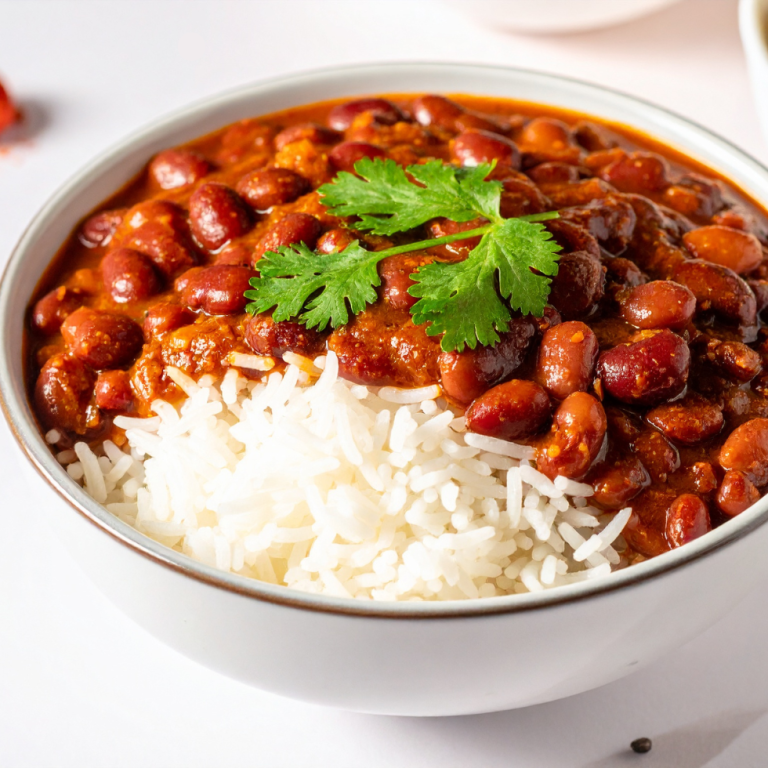
Decorating for Juneteenth is part of telling the story of the holiday. Juneteenth decorations are widely available online. Many decorations are red, black, and green, the colors of the Pan-African flag. Yellow and gold decorations symbolize prosperity and hope.

If you’d like to learn more about Juneteenth, here are a couple of good resources:

School is out and summer is here! It’s the perfect time of year for outdoor adventures. But what if you want to play board games at your picnic, barbecue, or beach day? Fortunately, there are a lot of options that fit the bill, including some that you might already have.
Here are my top choices for tabletop games to play outdoors. I considered three criteria for each entry:
In a lot of cases, games can be made more outdoor-friendly by swapping out light or easy to lose pieces. These can be anything from rocks to Skittles. Some games may need pieces that are available in different colors for each player, so be aware of this.
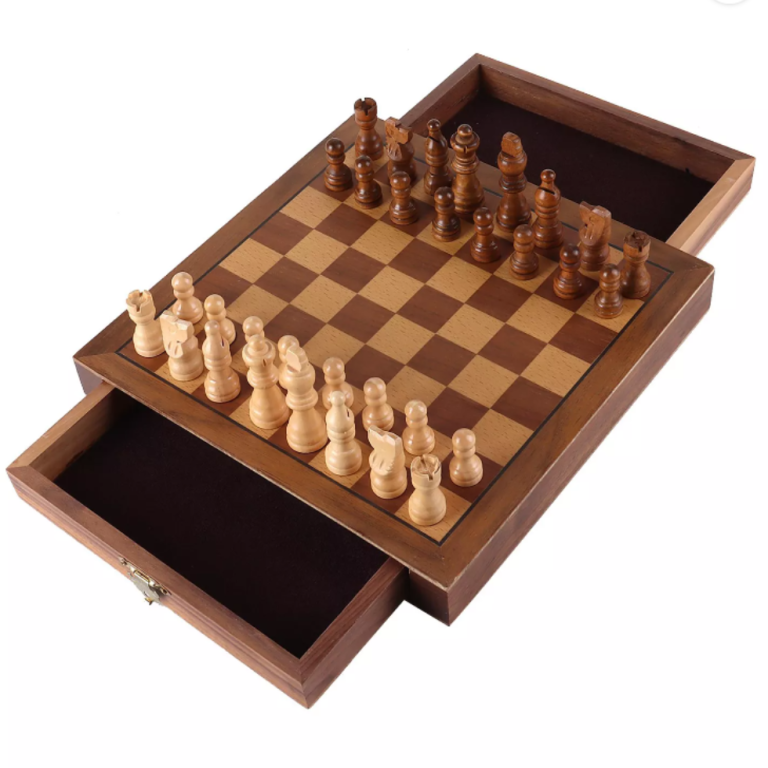
Sometimes the classics are classics for a reason, and games like checkers, chess, and dominoes can be excellent choices. The trope of senior citizens playing chess in the park isn’t unrealistic.
Wind and Water Resistance
Travel checkers and chess sets are often magnetic, keeping pieces anchored to the board. Dominoes are heavy enough not to blow away.
Most of these sets are going to be made of plastic or wood with plastic, so they should be relatively water resistant. Use your best judgement.
Packability
Travel games are designed to be packed and taken along, so they’re extremely packable. Most dominoes sets are also relatively compact.
Lost Pieces
Unless you buy a very small travel set, checkers, chessmen, and dominoes should be large enough to find in the grass.
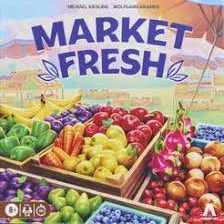
In Market Fresh, you stack colorful plastic crates of produce in your produce stall to score the most points.
Wind and Water Resistance
The player boards, score board, and tokens are made from heavy cardboard, making them relatively wind resistant. The plastic crates can handle wind just fine.
The boards and tokens aren’t water resistant since they’re made of cardboard, but the crates can get wet.
Packability
The game is in a “normal” sized box, so it will take up some real estate in your luggage or beach bag.
Lost Pieces
If you drop a crate, it’s big enough and colorful enough to find easily. The individual scoring tokens may be a little more elusive, so you might look at swapping them out. (You’ll need tokens in different colors for each player.)
Seaside seems to be designed for a day at the beach. Draw wooden chips from the canvas bag and decide how to resolve them. End the game with the tallest stack of chips to win.
Wind and Water Resistance
The wooden chips and canvas bag are heavy enough to withstand any wind short of a gale. Both should also be able to handle water. I still wouldn’t recommend playing underwater or something, though. Lol
Packability
Since the game is made up of wooden chips in a canvas bag, it can squeeze into small spaces.
Lost Pieces
The wooden chips are fairly large and would be easy to find in grass (or sand).
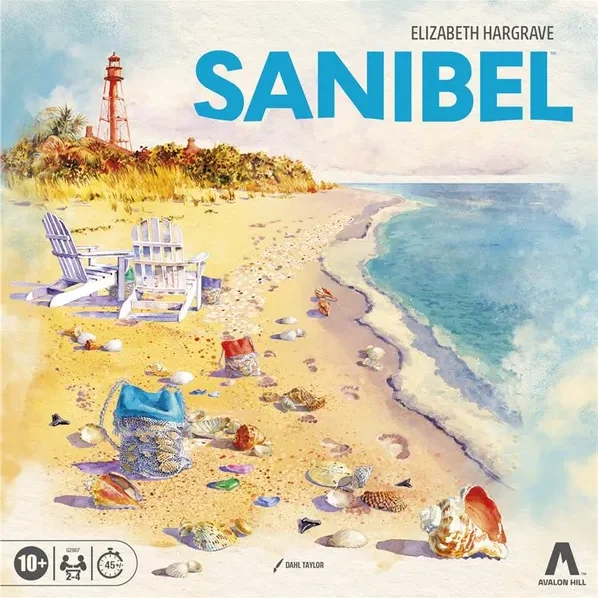
Sanibel is a game about collecting seashells. Thematically, it’s perfect for a beach day.
Wind and Water Resistance
The tiles and board are made of heavy cardboard, and they’re unlikely to blow away. There is a lighthouse standee on the board that may blow over, but the game can be played without it or it can be laid down instead.
The tiles and board are cardboard, so you’ll need to be careful not to get them wet.
Packability
Sanibel’s box is about the same size as Market Fresh’s box, so you will need some room for it.
Lost Pieces
The pieces are colorful enough to show up well if you drop them in the sand. You should be able to find the larger tiles in the grass easily, but some of the smaller pieces might be harder to find.
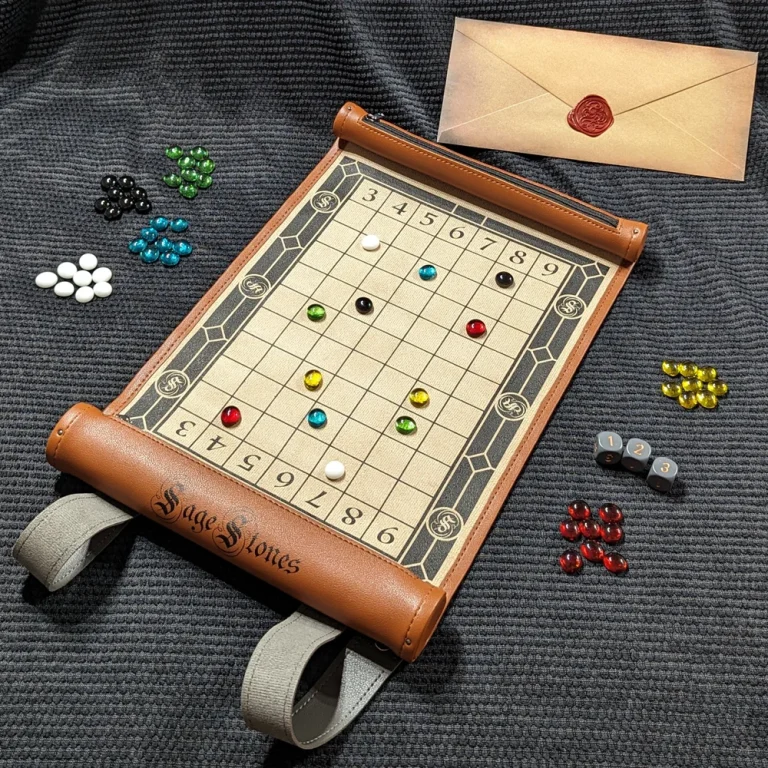
Sage Stones is a simple game of rolling dice to place stones, and placing your ten stones first wins the game. There are two variants, a leather scroll version and a (pricey, but worth it) wooden board version. I recommend taking the scroll version so that the board doesn’t get scratched or damaged.
Wind and Water Resistance
This is one of the more wind resistant games. The leather scroll is heavy enough to stay put, and both sets of stones (the original glass ones or the newer wooden ones) are heavy enough to stay where they’re placed.
The scroll isn’t particularly waterproof since it’s leather, but both sets of stones should hold up to water just fine.
Packability
Since the game is played on a scroll, you can pack it into a very small space. The scroll itself is a little larger than two big TV remotes. It has pockets to hold the stones.
Lost Pieces
Sage Stones is a great candidate for swapping out pieces. The little glass stones are very easy to lose in the grass. The wooden tokens are larger and easier to spot, but they’re still pretty small. Something like Skittles would allow everyone to have their own color while still maintaining the feel of the stones.
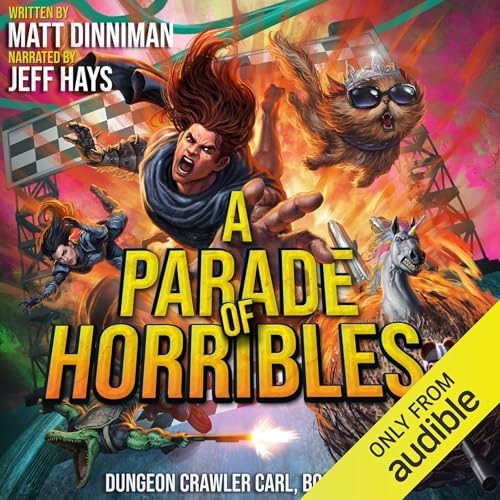
Dungeon Crawler Carl (DCC) seems to be everywhere in the geek world right now. It’s a bestselling book series with an equally popular, if not more popular, audiobook series. There’s also a webtoon, an upcoming tabletop role playing game (RPG), and a planned series on Peacock.
If you’ve heard about DCC but don’t understand why it’s popular, if you’ve been greeted with a friendly “Glurp glurp!” or “Hiiiii, Zev!” and you’re confused, or if you just really enjoy a good story with legendary voice acting, keep reading.
DCC is a LitRPG series, which is kind of like a story version of an RPG video game. The protagonist is the player in the game. The series itself feels like a cross between Hitchhiker’s Guide to the Galaxy, Dungeons & Dragons, and The Hunger Games.
The series follows Carl, a regular man who enters a dungeon run by aliens with his ex-girlfriend’s cat, Donut, after the aliens caused a cataclysm across the entire planet. The story that follows is sometimes heartbreaking, but most of the time it’s hilariously funny and highly entertaining.
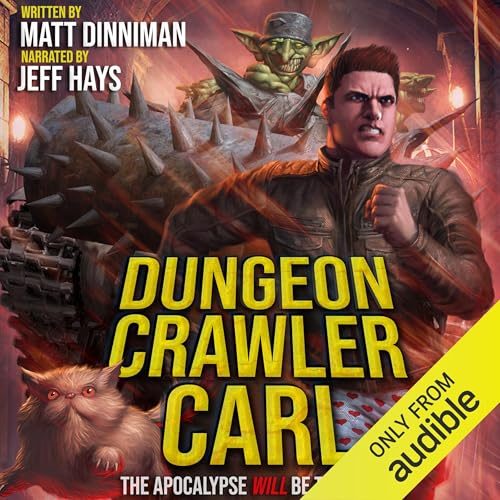
There are a few different reasons working together that make it popular. One of these is that Dungeons & Dragons has increased in popularity in the past few years. Shows like Stranger Things and Critical Role have made it almost mainstream. While not every DCC reader has played Dungeons & Dragons, most are familiar enough with it to understand the concept.
A lot of why DCC is popular, though, comes from the series itself. Matt Dinniman does an excellent job of both creating characters that readers care about and creating an immersive world for them to exist in. One of the saddest pronunciations in the series is when a character’s last instant message is accompanied with the warning “This message is from a deceased crawler.” This is true even if the character is relatively minor.
Dinniman doesn’t just create characters for readers to like. He also creates some absolutely infuriating villains, from those who were just as awful in the dungeon as they were in their previous lives to those who will harm any and every person they encounter to try to get ahead.
Not only are the characters interesting and entertaining in themselves, Dinniman also gives them some incredibly quotable lines. Some of these are really fun since they don’t mean anything until the reader gets to them. Anyone who has listened to the later books will immediately recognize lines like “Glurp, glurp!” “Mongo is appalled!” or “I need a...baby seal,” while those who haven’t read these lines yet have no idea of what’s going on. It’s like a fun inside joke between all the readers.
While DCC takes place in a fantasy universe of various alien races, aspects of it still feel very familiar to readers. Being trapped in a system that profits from your suffering and offers you only the tiniest sliver of hope of ever escaping is something that resonates with a lot of people right now. DCC holds a mirror up to our society by creating a satirical version of it.
Unlike a lot of authors who have their books turned to audiobooks, Matt Dinniman works closely with his audiobook narrator, Jeff Hays. There are even times that Dinniman seems to mess with Hays, giving him strange accent combinations, etc.
Hays is a large, large part of the audiobooks’ success. When I listened to the first book, I assumed that there was a full cast. This video of Jeff Hays doing all the character voices (CN: profanity) showed me otherwise. Hays is phenomenally talented, and I don’t think the series would be as big of a hit without him.
Not only does Dinniman work closely with Hays, he also provides his Patreon supporters with some input into his writing. He’s let them choose things such as loot box contents in the past. He also posted chapter drafts of Parade of Horribles for his Patreon supporters as the chapters were written, before they were even edited to be made available to anyone else. It’s also rumored that he will change his planned plot if people guess too close to what he has planned. The Patreon provides a direct connection between Dinniman and Hays and the fans.
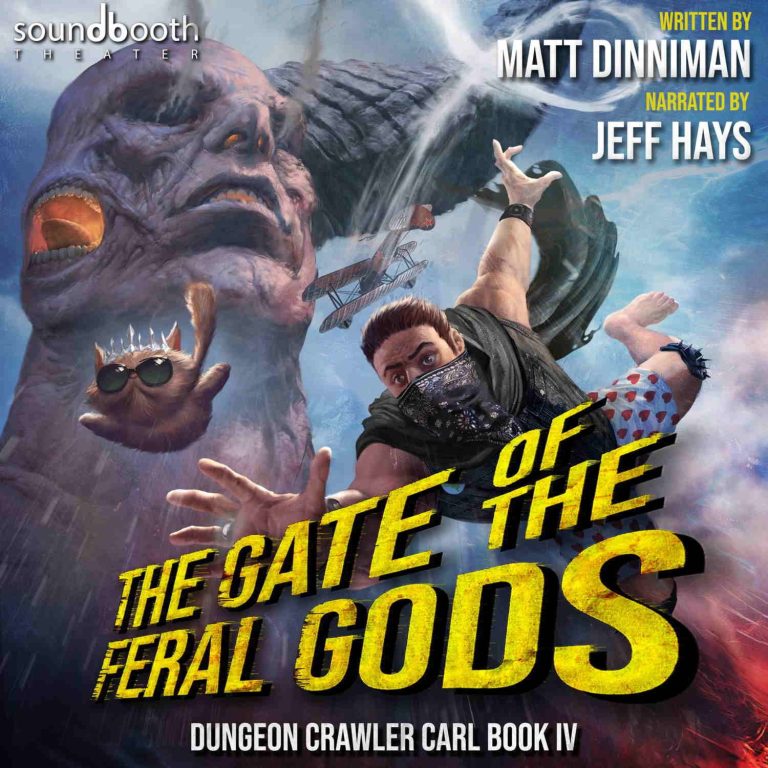
The DCC series is really funny, but when it gets serious, it punches you in the gut. There are topics addressed that can be triggering, like infertility and childhood abuse. I would have still read the books knowing that I would encounter this, but I wish I had known about it ahead of time.
Those aren’t the only painful moments in the book. Characters die, lots of them, including some that you’ve grown to love. Sometimes people have to make hard, no-win decisions. It always serves the overall story, though. Dinniman isn’t beating up on his readers for no reason.
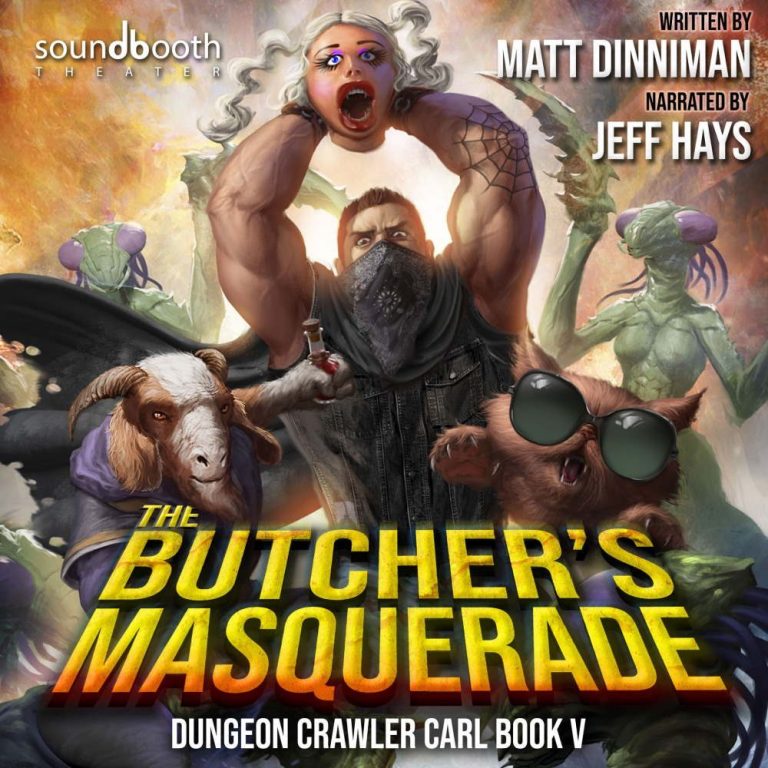
This chapter is the best chapter out of all of the DCC books, and possibly out of all audiobooks. Without sharing any spoilers, it has both excellent writing by Dinniman and Hays’ best work. The audiobook is worth it for just this one chapter. (You’re welcome!)
Now that Memorial Day has passed, it’s the time of year that geeks everywhere dream of: convention season. Whether you’re attending a small, local con or a great big, famous one, preparing for the event will help you get the most out of it.
There’s a lot of really good information available about how to prepare for conventions. I want to add to this knowledge. I’ve been to nearly 20 conventions, from local ones to Gen Con, the largest tabletop gaming convention in North America. Here are some common pieces of advice with some revisions based on my experiences.

My advice: Wear your most comfortable shoes for walking.
I spend every convention in Crocs flip-flops. I’m sure it’s not great for my feet, but it’s what’s comfortable. I’ve tried new athletic shoes and well-worn athletic shoes, but I’m still most comfortable in the same shoes I wear when I walk my dogs.
If athletic shoes are comfortable for you, great! If they’re not comfortable for you, don’t beat yourself up about it. Put on some comfortable shoes and carry on. There’s too much to see and do to worry about what’s on your feet.
My shoes: Crocs Bayaband Flip

My advice: Bring the water bottle that best suits your needs.
I’m the absolute worst about drinking water. If I have any other option, I’ll take it. For me, bringing a big water bottle means having to wrangle a big, full, heavy water bottle for the few sips I’ll eventually take. I ended up with a 32 oz. bottle because it fits the side pocket of my backpack nicely and gives me plenty of water in case I’m stuck without a better option for a while.
If you want to go longer between refills or drink a lot of water, a big water bottle is your best bet. If this isn’t you, check out your other options as well.
My water bottle: TAL 32oz 2-in-1 Straw and Chug with Push Lid – Army
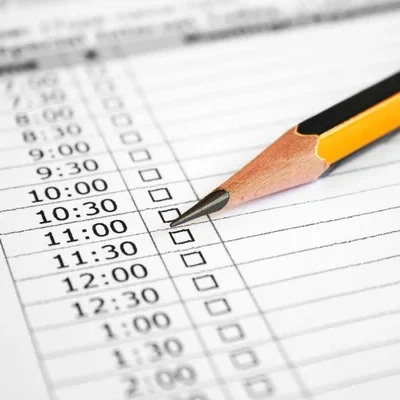
My advice: Don’t over-schedule yourself.
While it’s entirely possible to have a great time at a convention without attending a single event, a lot of events are really fun and add to the con experience. I don’t recommend entirely winging it, but I do recommend holding your plans very loosely. Something can always happen at the last minute to change your plans, even if it’s just tiredness or hanger.
In general, I try to pick 1-3 events that I really want to attend and leave the rest of the time for shopping, people watching, and exploring.

My advice: Shower daily, use deodorant, and be aware of other scents.
The smelly, unwashed con-goer is a trope, but it’s one with basis in reality. While the vast majority of people at conventions do shower and wear deodorant, it’s also worth thinking about other scents as well, like perfume or cologne.
Conventions can be crowded places, and everyone in your vicinity is going to smell you. Since it’s impossible to tell who has allergies, asthma, etc., please be considerate and keep the perfume or cologne moderate.
My advice: Carry a cosplay repair kit...and an extra cosplay.
Story time! Last year, I went to a convention about six weeks or so after having surgery. I hadn’t tried on my costume since before surgery, and I didn’t think about swelling still being an issue after six weeks. I pulled on the little shorts of my Columbia cosplay (from Rocky Horror Picture Show), and the shorts split all the way down one seam. Fortunately, I had a different cosplay I could wear.
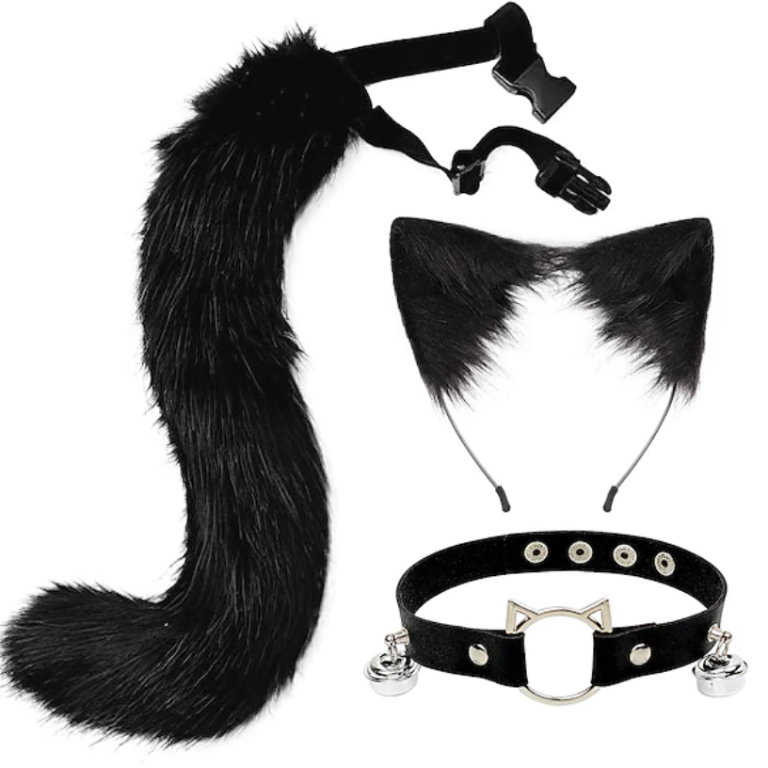
You don’t have to carry a full spare cosplay if space or finances don’t allow it. As long as you have something to wear that you feel good about wearing, you’re in good shape. I carry an emergency ears and tail set since I think they’re always fun to wear.
My emergency ears and tail: Cat Ears and Wolf Fox Animal Tail Cosplay Costume
Board games are fun for all ages. Many of us have fond memories of playing them since childhood. Some of my favorite childhood memories are of playing board games with my grandmother: dominoes, cards, and even a board game called The Christmas Game.
My grandmother did eventually develop Lewy-Body Dementia, but there is evidence that playing board and card games help mental function in senior citizens and may even protect against dementia. A review of existing studies found that playing board games led to increased scores on the Montreal Cognitive Assessment and the Mini-Mental State Examination (MMSE).
One study in France, which followed over 3600 participants for 20 years, also found cognitive benefits for board game players. Roughly a third of the participants were board game players, and they showed 15% less risk of developing dementia in that time. These players also showed less cognitive decline on a follow up MMSE and less depression.
Chen Senior Medical Center, which specializes in care for seniors on Medicare, recommends four types of games to help seniors stay sharp (in addition to jigsaw puzzles). Here are some recommendations for a solid selection in each category to play with someone you love. Many older games, such as Scrabble, Yahtzee, and Uno also fit into these categories.
References
Alibis is a favorite in our household. It’s a cooperative game where each player is assigned two words from the array of words and on the table, each held by a comic book style criminal. The player must write one word on their board to help others determine which two words (and criminals) they have. (For example, if your words are “canyon” and “airplane,” you might connect them with the word “travel.”) The lone remaining criminal is the perpetrator. Players remove Heat (negative tokens) for correct answers and correctly guessing the perpetrator.
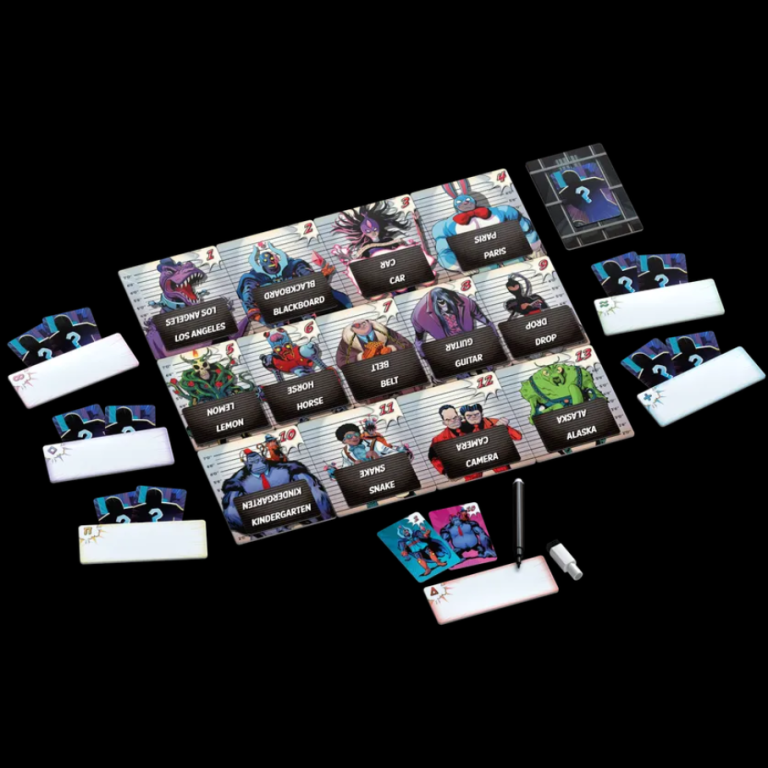
Flip 7 is a relatively new and very popular card game. The deck has one 1, two 2s, three 3s, etc. The goal is to flip over as many cards as possible without flipping the same number twice (busting), banking the points you flip without busting. Flipping seven cards without busting earns a bonus.
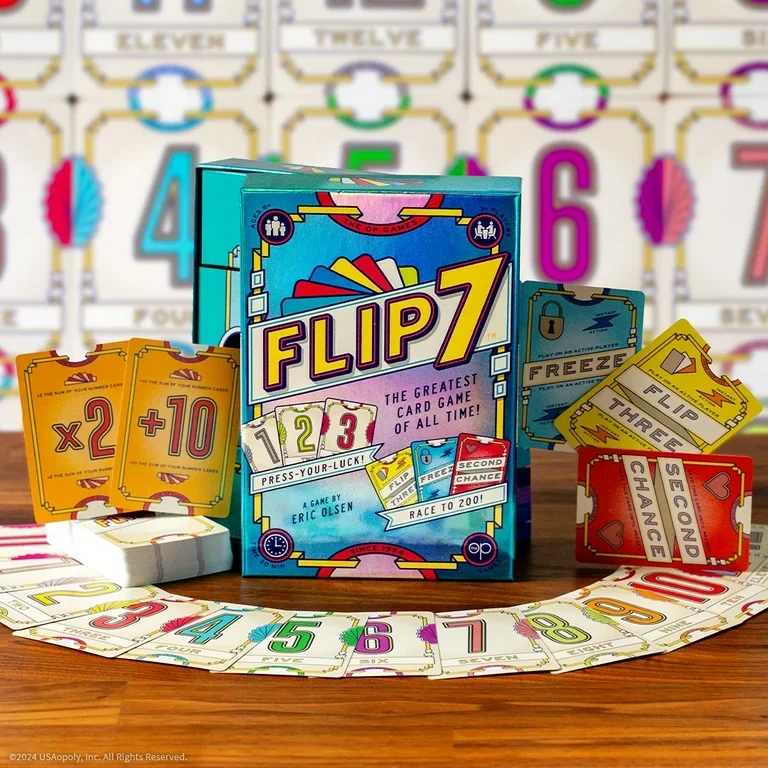
Spots is another of our family favorites. Players select “tricks” from tiles on the table to take different actions, including rolling different numbers of dice. The goal is to match the dice to the dice images on each of the dog cards. Dice that don’t match are buried in the back yard, and having more than seven spots on the dice there causes the player to bust, losing all their dice (including the ones on the dog cards).
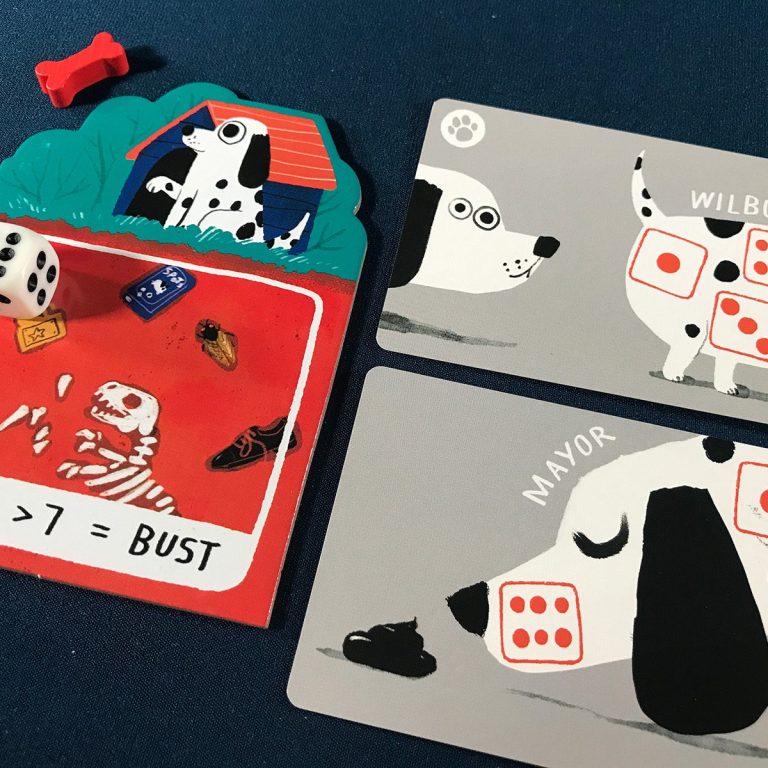
Sage Stones is a game that’s super easy to learn and also fun to play. The goal is to be the first player to place all ten of their stones on the board. Rolling the dice tells the player which column to place their stone in. Rolling a one, a two, and a three causes the player to lose their turn.
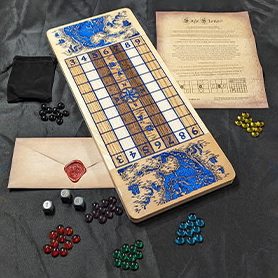
One of the best ways to make sure all your guests feel welcome is to make sure to have food on hand that everyone is able eat. It shows your guests that you thought about them and took their wants and needs into account.
Fortunately, there are a lot of readily available party snacks that are vegan. Vegan options are good because they provide options for lots of guests, not just the ones who are vegan. Guests who can’t have one or more animal products (whether due to allergies or medical conditions like Alpha-gal syndrome) also benefit.
Most people already eat these snacks all the time without realizing that they’re vegan. Here are some good options for chips, dips, and sweets.

There are a lot of excellent options for chips. Plain chips, like Fritos, are often vegan. I recommend checking the label just to be sure. Pairing these with a vegan dip is always a hit!
If you’re looking for some options with more flavor, there are definitely some available. Here are some of my favorites:
Spicy Sweet Chili Doritos
Most Doritos contain either milk or other animal ingredients, but the Spicy Sweet Chili flavor is the exception to the rule. They scratch that Doritos itch without the animal products.
Lay’s Barbecue Potato Chips
There are actually a lot of barbecue potato chips out there that are vegan, but definitely check the label. Some of them do contain milk ingredients. The Lay’s chips are safe, though.
Hippeas Chickpea Puffs
These might not be as well known as Doritos or Lay’s, but they’re one of my favorite chips. The Hippeas puffs are like a vegan puffy Cheeto in texture. They cheese flavor doesn’t exactly taste like cheese, but it’s very tasty and buttery.
Dips are another area where there are lots of great options, some more familiar than others. Serve them with chips or Ritz crackers (also vegan). While everyone knows that salsa is vegan, here are some other alternatives.
Hummus
Hummus is a smooth dip made from chickpeas and tahini (a sesame paste). It pairs well with tortilla chips or pita chips. I also sometimes like to stuff the mini sweet peppers with it.
Guacamole
While most people are familiar with guacamole, it’s not always the first dip to come to mind as vegan. It’s worth checking labels on store-bought guacamole, but making your own at home is quick and easy and allows you to control the ingredients.
Baba Ghanoush
Baba ghanoush is a dip often found at Middle Eastern restaurants. It’s made from roasted eggplant and tahini, and it has a wonderful smoky flavor. (If you want to make it yourself without roasting eggplants, you can buy jarred eggplant online.)

A party just isn’t a party without sweet treats. There are bakeries that offer vegan cakes, but here are some pre-packaged options to include as well.
Oreos
This was the vegan food that surprised me most. While it seems like the Oreo filling would contain milk (like cake frosting), they are indeed vegan. Other variants, such as Mint Oreos, are also vegan.
Fruit by the Foot
Many gummy candies contain gelatin, which is an animal product. Fruit by the Foot helps satisfy the craving for gummy candy without the gelatin.
Skittles
Since many chocolate candies contain milk, Skittles are a good alternative. They’re sweet, familiar, and maybe even a little nostalgic. Vegans and non-vegans alike enjoy them.
Dice trays are one of my favorite board game accessories. They can be colorful or stylish, and they keep me from tossing my dice across the table and into the floor. (This happens more often than I want to admit.) Dice trays are widely available, both online at your friendly local game store (FLGS).
It’s entirely possible to make a dice tray on your own. When I was preparing to run my Roll for Swag game at a local event, I wanted to make a long dice tray for my giant 20-sided die. While I might have been able to find something suitable online, I wasn’t sure that I would be able to get it here in time, and I was pretty sure I could make one for cheaper than buying one.
This is the process I used to make my dice tray. I definitely made some mistakes, and I’ll call them out so that you don’t make them, too. I’m not entirely satisfied with the finished product, but I know I can make a better one before the next event. Keep an eye out for an updated tutorial in the future!
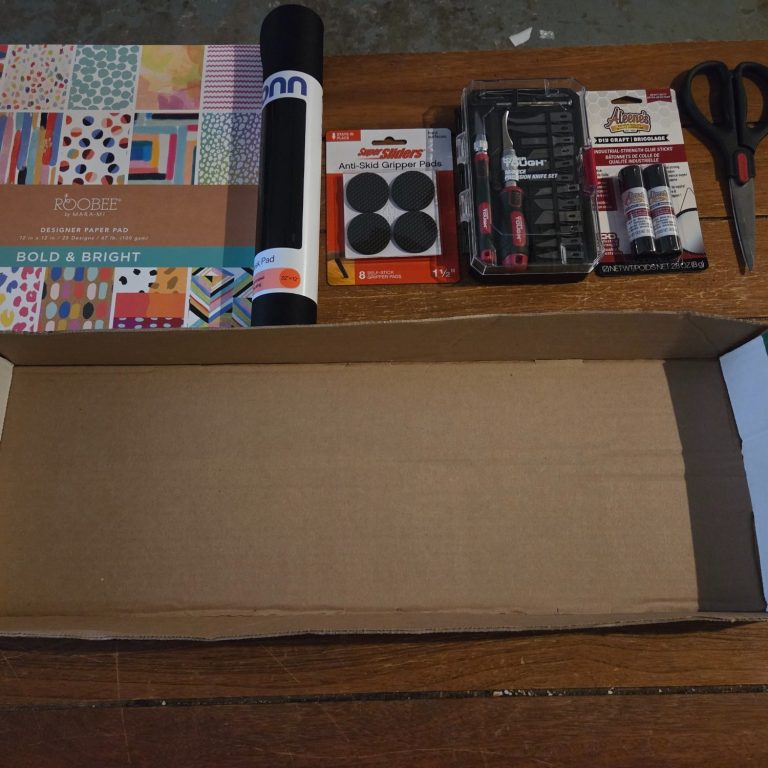
Notes:
Start with the inside of the tray. I tried to start with the outside and had to start over.
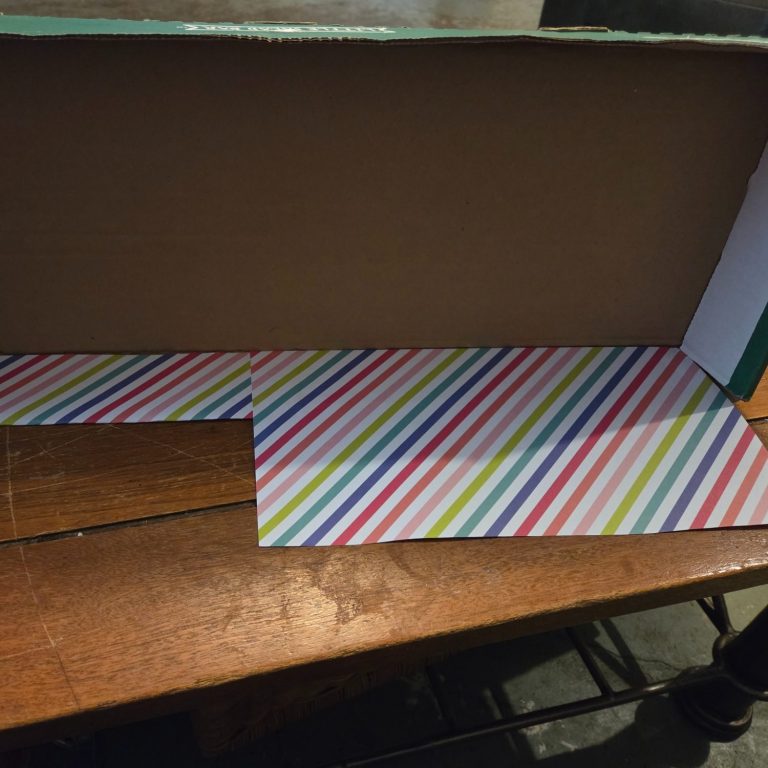
Notes:
Cutting the paper smaller than the tray prevents the edges of the paper from sticking out and becoming ragged. The wrapped edges you’ve already created are neater.
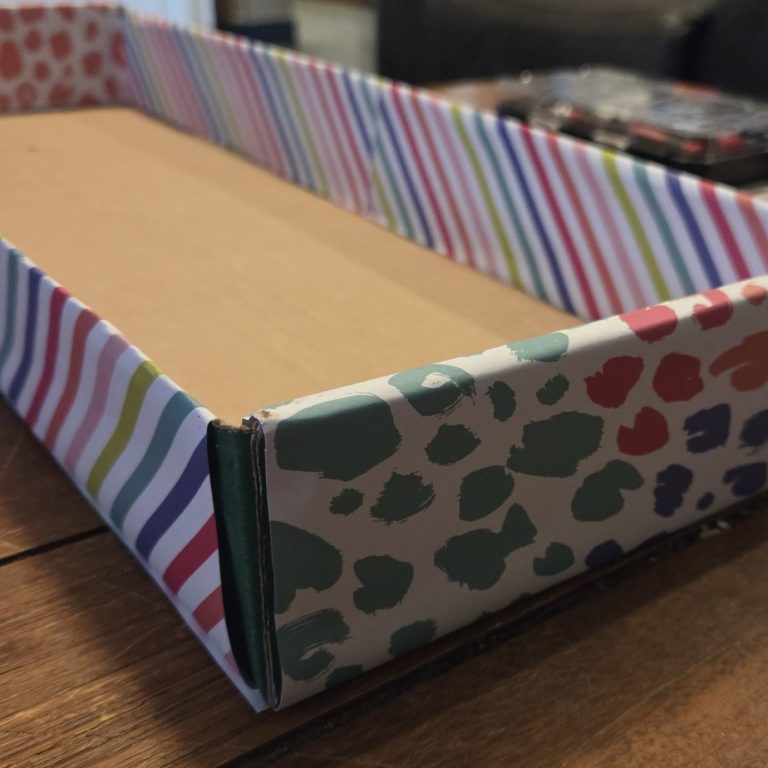
Notes:
Pay extra attention to the edges of the paper and make sure that they are glued down tightly. Otherwise, they’ll get ragged.
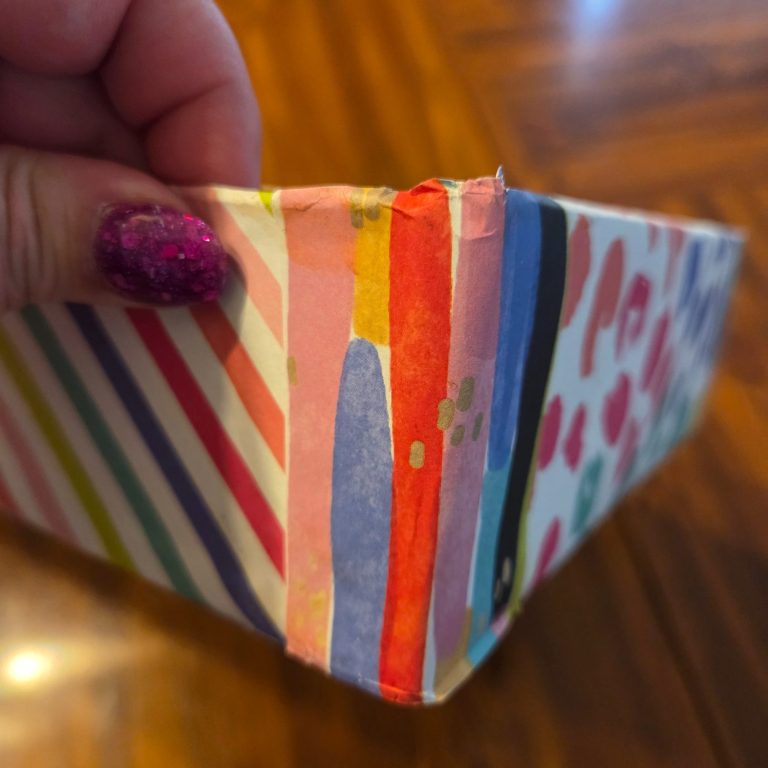
Notes:
Many pads are self-adhesive, including the ones I used.
Notes:
I recommend cutting the mat with scissors before installing it. I tried to trim it and then lay it in the tray and cut it to fit with an Xacto knife, and it snagged and tore in places. (I ended up covering the bare cardboard in black marker where the mat didn’t cover it.)
Notes:
It’s not entirely necessary to play a board game or Dungeons & Dragons with your friends to test your dice tray, but it’s definitely encouraged!
Beltane is the Gaelic May Day celebration. It’s widely practiced by Wiccan and other neo-pagan groups. It marks the beginning of summer and is associated with fertility.
As Beltane is a holiday marking a shift in seasons, it’s celebrated on different dates in the Northern and Southern Hemispheres. In the Northern Hemisphere, the date is April 30 – May 1. In the Southern Hemisphere, it’s October 31 – November 1.
The neo-pagan umbrella, which includes Wicca among many other traditions, contains a diverse array of people following various cultural customs and worshiping different gods. While specific traditions vary widely, there are three items commonly associated with the holiday: flowers, maypoles, and bonfires.
Flowers have been a part of Beltane celebrations for centuries. The Roman holiday Floralia, which was celebrated around Beltane, honored the goddess of flowers and fertility.
The Celts used them to decorate homes and livestock. They also decorated a May bush, a thorn bush or branch covered in ribbons, flowers, and shells. In later years, the decorations included candles and even Easter egg shells and the May bush was sometimes paraded through town.
A more modern Beltane custom is the May Day basket. These are small baskets of flowers hung on someone’s doorknob. The giver rings the bell or knocks before running away. While no longer as popular as it once was, some people still distribute May Day baskets to family and friends. Modern pagans often create flower crowns as part of observing the holiday.
Fun Fact: The earliest mention of May Day baskets in the US was in the Louisa May Alcott novel Jack and Jill, which was published in the 1880s.
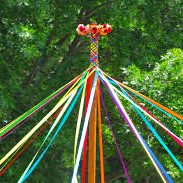
A maypole is a tall pole, often decorated with flowers, that has several ribbons attached. Dancers each take the end of a ribbon and dance around the pole, entwining their ribbon with the others to make a pattern.
Dancing around a maypole is a tradition that stretches as far back as the Middle Ages, if not even farther. It originated in the Germanic countries of Europe. Many European countries still have maypole traditions.
Most modern pagans consider the maypole to be a symbol of spring, fertility, and unity. Wiccans also see it as a phallic symbol, representing the God, while the ribbons and circular dancing represent the Goddess.
Fun Fact: “The May-Pole of Merry Mount” is a short story by Nathaniel Hawthorne that was inspired by an actual event in the 1600s. The Puritans, led by Myles Standish, cut down the maypole at the anti-Puritan settlement of Merrymount and arrested the founder of the colony.
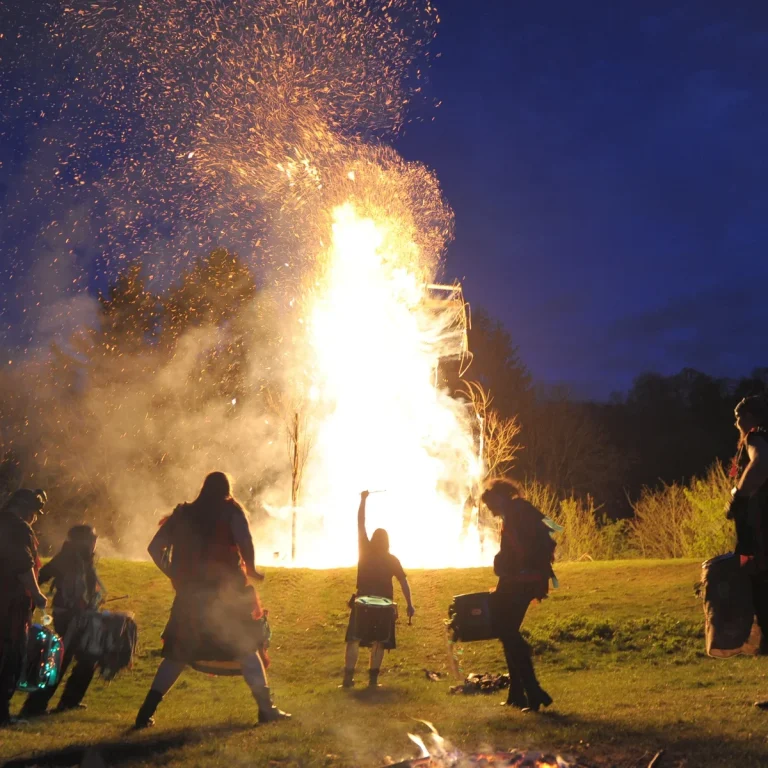
The holiday name is believed to come from either Belltaine (meaning “fire of Bel”) or bil-tene (meaning “lucky fire”). Bonfires have been part of the holiday since the beginning, when ancient Celts would drive their livestock between two fires to protect them from disease. All fires were doused and a new fire was lit on a hill, using only the friction of two pieces of wood to start it. Burning torches were lit from the new fire to relight the hearths.
Beltane is still often celebrated with bonfires. Some people dance over or around the fire, and some light candles from the bonfire to take home with them.
Fun Fact: While bones and death aren’t part of Beltane celebrations, the word “bonfire” is derived from the Middle English term “bone fire.”
Most people want to do their part to help take care of our planet. However, trying to figure out the best way to do so can be intimidating, and a lot of eco-friendly options seem pretty expensive.
The good thing about trying to make good choices for the environment is that doing anything is better than doing nothing at all. Not only that, eco-friendly choices are sometimes also wallet-friendly choices.
There are three main areas in party planning where greener choices lead to more green in your pocket.
While there are some milestone events where a paper invitation is expected, such as a wedding or graduation, electronic invitations are a cheaper and less wasteful option for most other get-togethers.
Two popular options are electronic invitations (evites) and social media events. Evites are texted or emailed invitations. They can look like a traditional invite or be a simple message with the date, time, etc. Creating an event on social media notifies your guests that they’ve been invited and provides a space for you and your guests to interact online until the event.
Using evites and social media events instead of traditional paper invitations is good for the environment and for your bottom line for the same reasons, saving on ink, paper, and mailing. This, in turn, touches several points of environmental impact: saving trees, preventing water pollution from manufacturing, saving fossil fuels from the planes and trucks carrying mail, etc.
Reduce your party’s environmental impact by reusing existing items for your party and choosing new items for your party that can be reused.
Sourcing secondhand party décor and supplies is eco-friendly, cost effective, and fun. It ensures that your party will look unique. You can buy a charming set of mismatched plates and cloth napkins at a thrift shop for not a lot more than the cost of brand new paper goods, at least for smaller parties. Speaking of paper goods, some thrift stores sell some party basics (like wrapping paper, table cloths, and banners) still in their original packaging for far less than the original price.
Even if you choose to buy your party décor and supplies new, buying reusable items is better for the planet than buying one-time-use items that will go to a landfill. Cute glasses can double as party favors, candle holders and cupcake stands can be sold or donated for a future host to use, etc.
This is an area where eco-friendly choices can also be less expensive ones. Buying foods that are local and in season cuts down on both the environmental impact and expense of transporting the items. Your local farmers’ market may have the perfect inspiration for your party menu.
Buying snacks in the bulk section of your local grocery or health foods store is also a great idea. It’s often cheaper than buying packaged snacks, and you can customize your own snack mixes from the available ingredients. Also, there’s no plastic packaging to throw away, especially if you bring your own reusable containers for the bulk goods.
The concept of buying bulk snacks also applies to beverages. Swapping out a cooler or two of bottled and canned drinks for big dispensers of tea or lemonade still feels festive while drastically reducing the amount of packaging thrown away. For alcoholic beverages, consider a keg and mixed drinks instead of bottled and canned drinks.
April 15, while widely known as Tax Day, is also National Anime Day. It was first celebrated in Tokyo in 1975.
Anime first became popular in the 1960s, when manga (Japanese comic book / graphic novel) artist Osamu Tezuka set up Mushi Productions. Anime became popular internationally in the 1980s, and there are now over 430 anime production companies.
So...I have a little bit of a confession. I’m not really much of an anime fan. I have a few that I like, but in general, I’d choose to watch something else. Now, that doesn’t mean that there’s anything wrong with anime or that people shouldn’t like it. It’s just not my favorite thing.
That being said, I’m around anime a lot. I volunteer at the local anime convention each year, and it’s one of my favorite events. (I love cosplay, even if I’m not familiar with the characters.) My partner is also a huge anime fan, so it’s frequent background noise in our home.
If anime isn’t your thing, but you want to try watching a show or two or want to watch with a friend or loved one, here is my advice for finding something you’ll enjoy.
Do you like action movies? Comedy? Romance? Your existing interests can help guide your exploration. With so many artists and production companies, there’s really something for everyone. Think about your non-media interests as well. They can also guide you.
In my case, I like comedies, so I look for anime series with a lot of humor, even if they are serious or emotionally charged at times, too. I love playing Dungeons & Dragons and baking, and my partner looks like the character Senshi, so Dungeon Meshi was an excellent choice for me.
This is the flip side to the previous point. If you don’t enjoy a certain genre of movies or shows, you probably aren’t going to start liking it just because you found an anime version of it. Also, as you begin watching different series, you’ll find some aspects that further help you narrow down your choices.
Using myself as an example again, I tend not to try to watch anything resembling rom-coms because I don’t like them. (Again, not a value judgment; just a personal preference.) Having anime as background noise has shown me that the squeaky “anime girl” voice acting bugs me. Most of my favorite shows don’t have it or don’t have a lot of it.
Even if you’re an anime fan, there’s more content available than anyone could ever watch. There’s decades of movies and series from hundreds of studios. No one is familiar with everything.
There are a lot of ways to get recommendations. Join a Facebook group or Subreddit. Browse websites and read reviews. Talk to people at your local anime store. Most people love to be asked for their opinion and love to share their knowledge. They’ll be happy to help.
Most of the series I like are ones that people have shown me. One, however, was one that I remembered a classmate talking about years ago. That one (Ranma ½) was the first anime I watched and is still a favorite.
Sure, it’s entirely possible to watch and enjoy anime by yourself, but it’s more fun with a friend. Sometimes it’s fun to watch each other’s reactions and discuss the show in real time. This is also great if you have questions about unfamiliar bits, like tropes specific to certain genres. (I ask a bunch of questions.)
If you get a chance to go to a convention, I absolutely recommend it. I watch people every year find their “home” among other fans. If nothing else, everyone there has something in common to talk about.
Anime is supposed to be enjoyable. If you’re not enjoying a series, try a different one. Don’t think that you have to impress anyone with what you’re watching. It’s okay not to watch a whole series or to remember every detail of one. Don’t worry about there being a “right” or “wrong” way to be an anime fan. If you’re having a good time, you’re doing it right.
April 8 is Trading Cards for Grown-Ups Day. There are many types of trading cards, from sports cards to cards for specific TV shows or movies, such as Star Wars. My favorite type of trading cards are the trading card games. Being able to play games with my cards is even more fun than collecting them!
Trading cards originally came in packages of other products, such as cigarettes (where they stiffened the pack to protect the cigarettes) or candy. The first baseball cards were issued in the 1860s. By 1900, there were thousands of different series of cards.
The Topps company began inserting movie and TV show themed cards (and later, baseball cards) into bubblegum packs in the 1950s. Topps went on to produce some of the more famous sets of non-sports trading cards, including Garbage Pail Kids.
Collectible trading card games began appearing in the 1990s, and new ones are still being created. Here’s a quick look at my favorite, Magic: The Gathering (MTG).
Note: Credit to the Department of Computer & Information Science & Engineering at the University of Florida for the MTG card diagram.
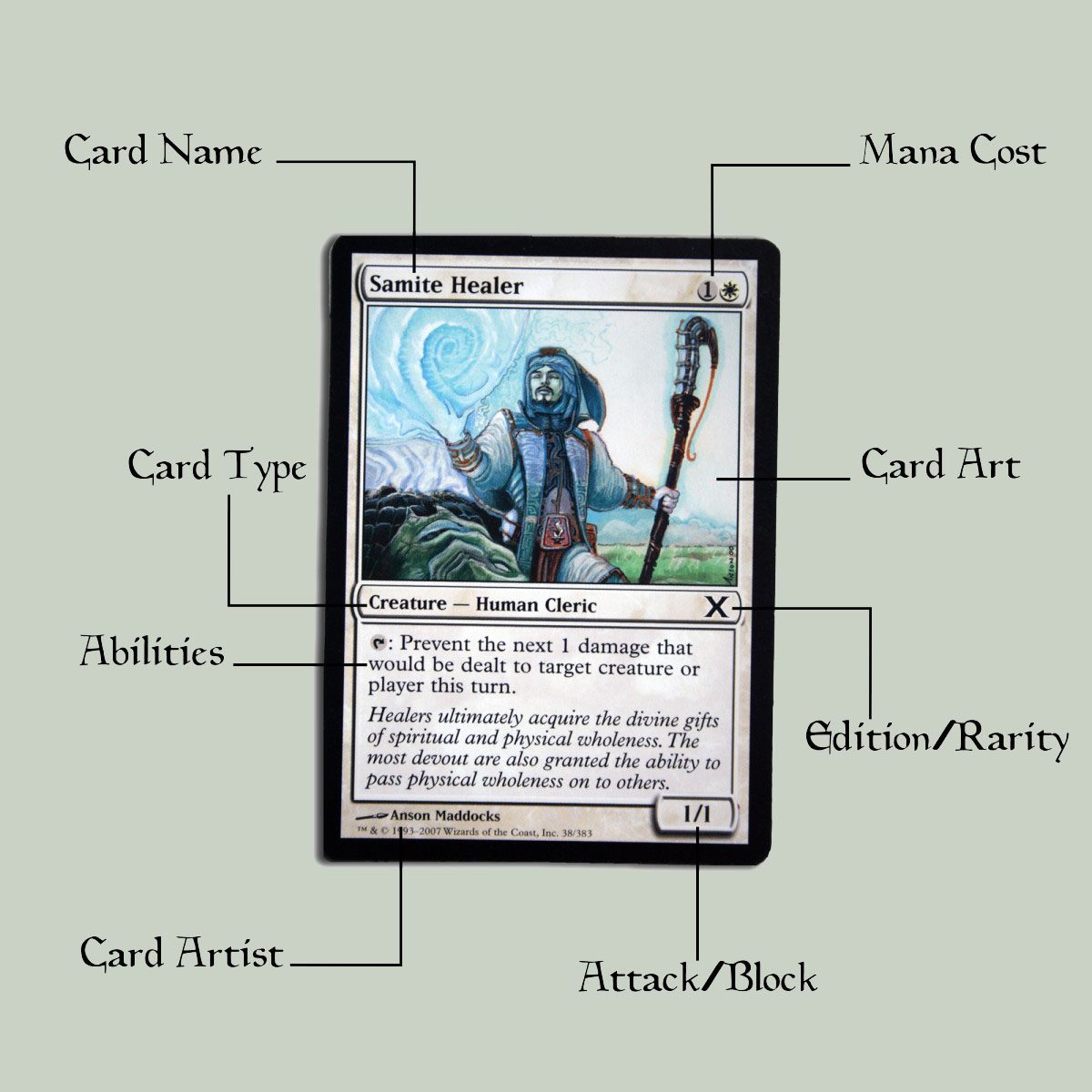
MTG is the original trading card game. It was released by Wizards of the Coast (now part of Hasbro) in 1993. There are now an estimated 50 million MTG players.
The individual sets are generally fantasy-themed, but the Universes Beyond series has introduced sets based on other intellectual properties, such as Final Fantasy, Doctor Who, and Fallout.
In the game, players play as Planeswalkers, powerful wizards who are dueling each other by casting spells, represented by the cards in the deck.
Resource cards, known as “Lands,” provide the power for the spells cast in the game. There are five colors of mana, and each color has different strategies and abilities. Most decks combine two or more colors. Each card shows the amount of mana required to play it. Most cards require mana of one or more specific colors in addition to mana that can be any color.
Having the flow of available mana meet the needs of the game in real time is often a challenge. There are even terms for having too little mana to cast spells (“mana screwed”) or too much mana and not enough spells (“mana flooded”).
Let’s look at the individual colors.
Black
Black is associated with death, sacrifice, and the undead. Its mana comes from Swamps. Black decks tend to use sacrificing cards or creatures to make creatures more powerful or to damage your opponent or their creatures.
Blue
Blue is associated with the elements of air and water. Its mana comes from Islands. Blue decks tend to be focused on disruption and control, with players blocking others from playing spells or taking control of others’ creatures.
Green
Green is associated with life and nature. Its mana comes from Forests. Green decks tend to be focused on creatures, both on having a lot of them and on making them powerful.
Red
Red is associated with the elements of fire and earth. Its mana comes from Mountains. Red decks are all about offense, with powerful spells and creatures to deal damage to other players and their creatures.
White
White is associated with order and light. Its mana comes from Plains. White decks tend to have weaker creatures that are stronger as a group or with bonuses from other creatures.
Colorless
While technically not a color, there are lands and artifacts that provide colorless mana. This mana can be used any time that a specific color of mana isn’t required.
The cards that are not lands comprise the spells that a Planeswalker uses to battle other Planeswalkers. Different types of cards have different purposes and abilities.
Artifacts
Artifacts are usually spells that affect creatures. Sometimes, they’re creatures themselves. They can even be vehicles “crewed” by a number of creatures to create a more powerful attack. These are generally considered colorless and cast with colorless mana. (Some newer sets have artifacts using other colors of mana, too.)
Creatures
Creatures are, well, creatures. They can serve many purposes. They can be used to attack other creatures or players or to block attacks. Many also have special properties or abilities that strengthen other creatures or affect gameplay.
Enchantments
Enchantments are spells that affect creatures, players, or gameplay. They’re often an integral part of the deck’s strategy. The types of enchantments can vary widely, with everything from auras, which target a specific card, to sagas, enchantments that have different effects over the next few turns.
Instants
Instants are spells that affect gameplay, like counterspells. They’re the only cards that can be played on other players’ turns. While an instant may not be the difference between winning and losing, they may at least keep you in the game a little longer.
Planeswalkers
Planeswalkers are powerful cards. They’re similar to creature cards, but they have their own requirements and rules. (This is one of the times you REALLY want to read your card.)
Sorceries
Sorceries are similar to enchantments. They can be cast only during your turn. One of the main differences between the two is that enchantments stay on the battlefield once cast and that sorceries are discarded once played.
The game is played in turns, with each person’s turn following the same outline:
Beginning Phase
This is also known as “untap, upkeep, and draw.” The player untaps each card, which means they undo anything showing that the cards have been used this turn (i.e., straightening cards that were tilted to show they were used). They perform any upkeep, like performing actions from their cards that happen at the beginning of the turn. Finally, they draw a card from their deck.
First Main Phase
This is when the player begins playing cards. They use the mana from the land cards to pay for any spells they want to play.
It’s good practice to begin this phase by playing a land card if you have one in your hand. You can play one per turn, and playing as many as possible helps provide more mana for casting spells.
Combat Phase
This is when the player gets to attack. They declare which creatures are attacking other players, and those players declare whether they are blocking the attacks with their own creatures or whether they are accepting the damage. Creature cards specify the amount of damage they can take. Each player has either 20 hit points (most formats) or 40 hit points (Commander).
Second Main Phase
This is another phase for the player to play their cards. If they didn’t play a land in the first main phase, they can do so now. They can also play any spells they want to cast before the next player’s turn.
End Phase
This is a cleanup phase. If a card triggers at the end of a turn, this is the time. This is also the time to check the number of cards in your hand and discard if you’re over seven.
There are many ways to play MTG. Different formats have different rules and requirements. Here are some of the common ones.
Constructed
This is an umbrella term for many formats (Standard, Modern, Vintage, etc.). These formats use decks constructed by the players from all available cards. Each format has ban lists of cards that aren’t allowed and some specify that only certain sets can be used (e.g. sets released before a certain date).
Players construct decks of at least 60 cards with a 15-card “sideboard” for swapping cards out between games. Decks may contain only four copies of any one card (except the lands discussed earlier).
One of the interesting constructed formats is Pauper, introduced in 2019. In Pauper, all cards in the deck must be cards printed as “common” (as opposed to rarer types). It provides an affordable option for constructed play.
Limited
These are MTG events where the decks are constructed from a limited pool, such as a pre-release box or a set number of booster packs. In the draft variants, players choose their cards as booster packs are opened and passed around.
Players are given a period of time to build their decks before play begins. In some variants of this format, players may help other players build their decks, but in others, players must build their decks alone. The players then compete in a tournament to find a winner.
Commander
Commander is an extremely popular casual format. In it, players have a 100-card deck that includes a Commander, a card that sits in an area known as the Command Zone when not in play so that it can be cast without having to draw it from the deck.
The Commander must be a card with a Legendary rareness. The colors of mana used in the deck are limited to the colors of mana used to cast the Commander. Players also start with 40 hit points instead of 20. There’s a limit of taking 20 points of damage from any one Commander, too.
Pesach is a Jewish holiday that celebrates the Exodus as recorded in the Torah. The date changes each year since the Jewish calendar is lunar, but the holiday begins on the 15th of the month of Nisan in that calendar. Each day begins at sundown, so this year, Pesach begins at sundown on April 1.
The Hebrew name of the holiday, Pesach, is the basis for the name of Easter in many languages. The holiday itself has several names, including Chag Ha’Aviv (Spring Holiday) and Chag Ha’Matzot (Matzo Holiday).
Here are some interesting facts about this holiday.
Pesach celebrates the Israelites exodus from Egypt. Recounting this story is one of the most important parts of the holiday. Here’s a short version:
Moses was born to an Israelite slave in Egypt. Rather than let him be executed at birth, she hid him in a basket in the reeds, where he was found and raised by Pharoah’s daughter. He later fled Egypt after killing an overseer for mistreating an Israelite slave.
After a spiritual experience, Moses returned to Egypt to lead the Israelites out. Pharoah didn’t agree to this, and ten plagues ensued: water turning to blood, swarms of frogs, lice, wild animal attacks, diseases killing livestock, boils, hail, locusts, darkness, and finally the death of each family’s firstborn child.
The name of the holiday comes from the Israelite homes being passed over during the deaths of the firstborn children.
Fun Fact: The plague of frogs is a topic of debate, with interpretations ranging from a plague of normal-sized frogs to a plague consisting of one giant frog to a plague of a giant frog that spawned normal-sized frogs.
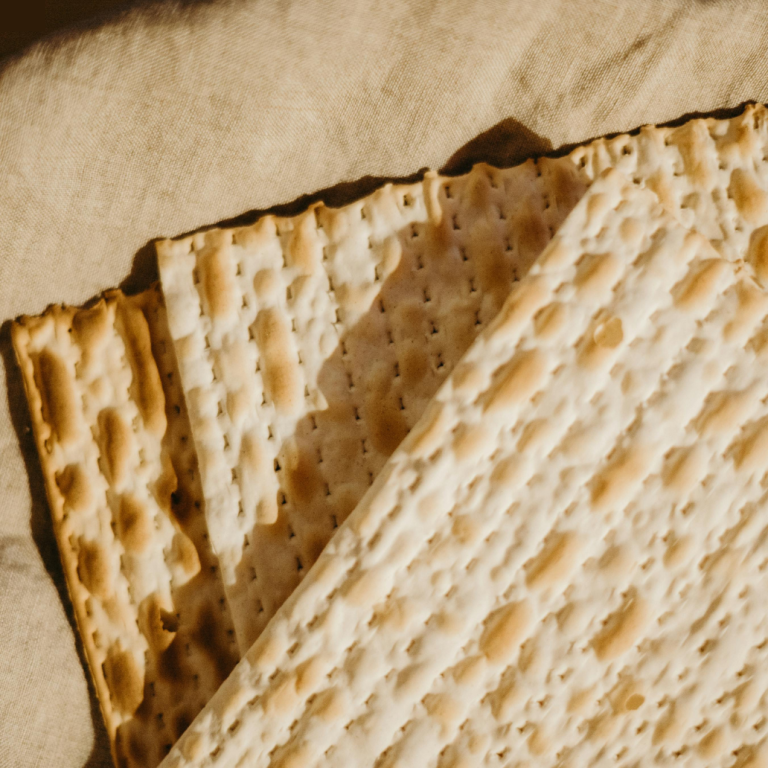
During Pesach, Jews eat matzo, an unleavened bread. This is to commemorate the Israelites fleeing Egypt before their bread had time to rise. Matzo is eaten year-round, but matzo made for Pesach (kasher l’pesach, or KLP) is made according to specific guidelines.
Matzo and products made from it, such as matzo meal, are the only wheat products allowed during Pesach. All other products made from specific grains (including wheat) are removed from the home and sold or burned before Pesach begins. These items are known as chametz.
Traditionally, there’s a final search for chametz known as Bedikat Chametz. On the night before Pesach, the family plants and finds ten pieces of bread in the home. Using a candle, a feather, a wooden spoon, and a paper bag, any remaining crumbs of chametz are gathered to be burned.
Three matzo are placed on the seder table and covered with a cloth. There’s one to break as would have been done in slavery and two to remain whole for the blessing over bread.
Fun Fact: Other grains, legumes, and seeds are known as kitniyot. Ashkenazi Jews (those with origins in Eastern Europe) avoid these as well during Pesach, but most Sephardi and Mizrahi Jews (those from Spain, Portugal, and other areas of the world) still eat them.
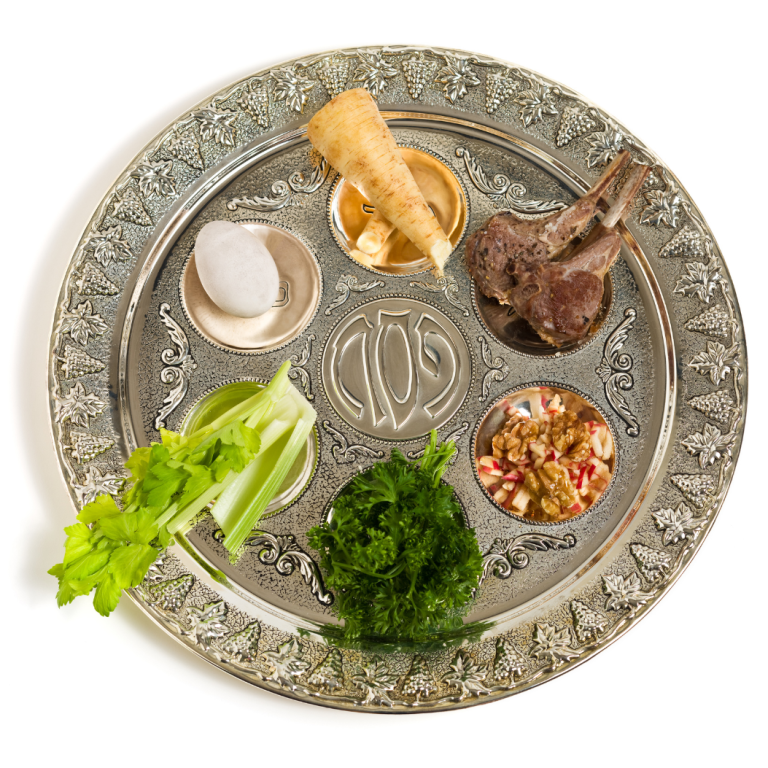
The seder is the celebratory dinner where the story of the Exodus is retold. There are specific symbolic foods eaten at certain times during the meal. A guidebook, called a Haggadah, provides the outline for the meal and includes readings, prayers, and songs.
While the main courses of the meal vary widely, the foods of the seder plate do not. Each has a specific meaning (and usually a labeled location on the plate). Here’s some information about these foods.
Zeroa
Beitzah
Maror and Chazeret
Charoset
Karpas
Modern Additions to the Seder Plate
There have been several modern additions to the seder plate to call awareness to specific causes. Here are some examples:
Fun Fact: There are vegetarian alternatives to the zeroa. Many vegetarians use a beetroot or other root vegetable.
Dice Goblins’ Cafe opened last weekend. It’s located in the Signature Square shopping center on East Robinson Ave. in Springdale, AR. It’s the only board game cafe in Northwest Arkansas. Previously, gamers had to travel to Springfield, Branson, Tulsa, or North Little Rock to play in a board game cafe.
The owners of the cafe, Greg and Jennifer Carr, have been passionate about board games for many years. Both have attended Gen Con, the largest tabletop gaming convention in North America, more than once to teach new games to eager gamers.
The Carrs saw a need for a space like this in Northwest Arkansas and decided to open Dice Goblins’ Cafe to meet that need. They want to provide a welcoming space for all gamers in the area.
Here is some more information about what Dice Goblins’ Cafe has to offer.
Dice Goblins’ Cafe has a library of over 550 board games. The games provide something for everyone. The boxes each have a symbol on them indicating the complexity of the game. (The games range from classic children’s games to heavy strategy games that last for hours and include everything in between.) There’s also a symbol if there is an expansion available for the game.
The All Day Play Pass is $7 per person per day (except for weekdays before 5 p.m. and for children eight and younger). It provides access to the game library for the entire day, even if the customer leaves and comes back. There are also membership options available for one, three, six, and twelve month periods.
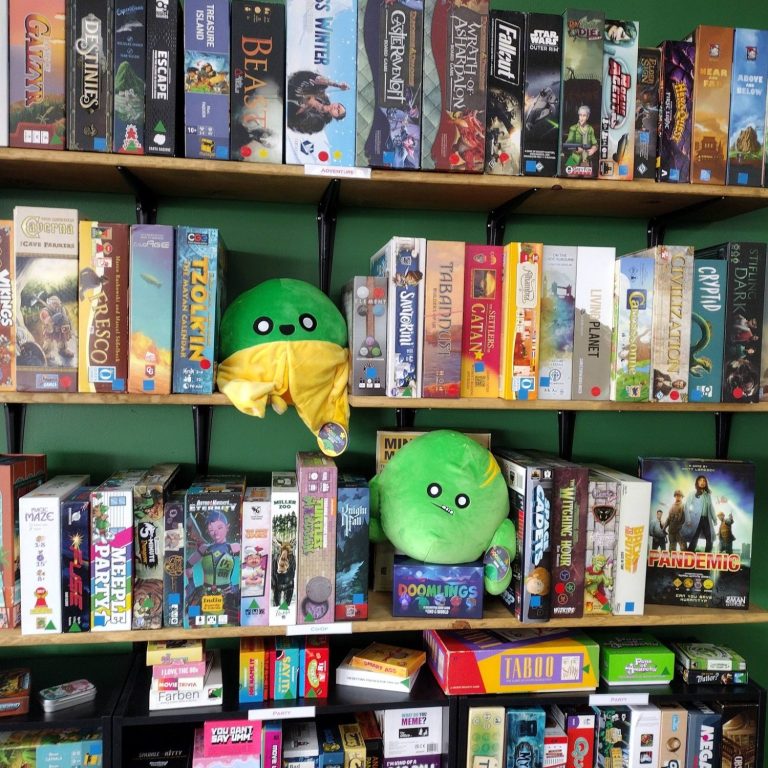
Dice Goblins’ Cafe offers deli sandwiches, shareable sides, and milkshakes. All are made to order with your choice of cheese, toppings, and sauces. They have a children’s menu, and there are a few vegetarian-friendly options as well.
You can order by scanning a QR code on your table sign or by turning on the little lantern on it to have someone take your order. You can even run a tab to keep the food and drinks coming while you play.
My personal favorite sandwich on the menu is the Turkey Trotter. The tater tots are my favorite side.
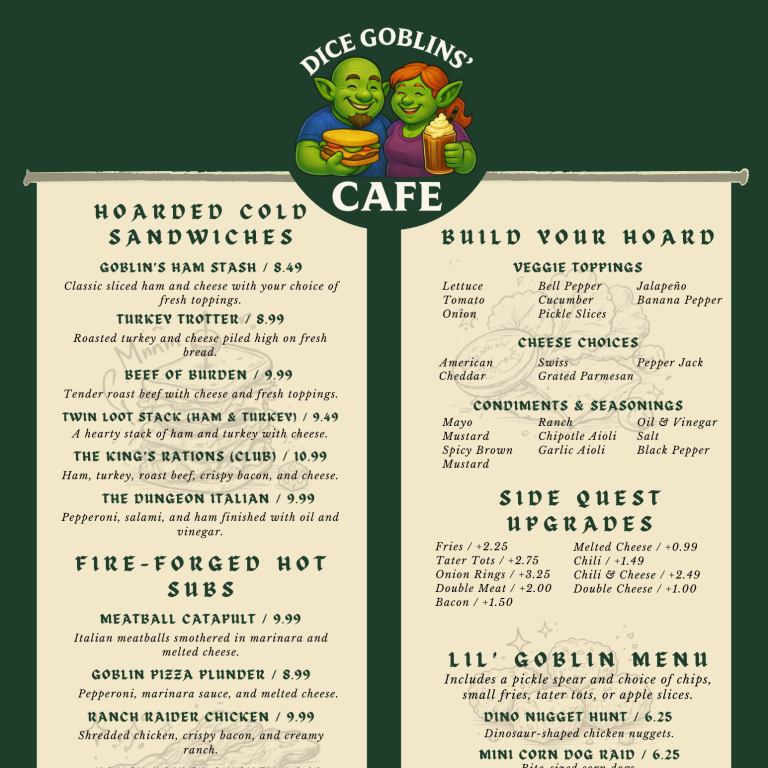
Dice Goblins’ Cafe has two private rooms available for rent. One is decorated with various classic board game boards. The other is called “The Dungeon.” It’s decorated in a fantasy dungeon theme with dragons, wall hangings, and a shied. Both rooms seat around six, although you could probably squeeze in a few more people.
Dice Goblins’ Cafe has a retail area with some games and a good array of gaming accessories. They carry dice from Dice Envy and Norse Foundry. They also carry an assortment of locally-made 3D printed items and some plush items.
Dice Goblins’ Cafe will host Dungeons & Dragons beginning in April. These sessions are expected to be on Sunday evenings. Watch their Facebook or Instagram page for more information about these sessions!
Eid al-Fitr is a Muslim holiday that marks the end of the month of Ramadan. During Ramadan, Muslims fast from food and drink from sunrise to sunset each day. Eid al-Fitr means “The Festival of Breaking the Fast.”
The actual date depends on the sighting of the crescent moon. It’s expected to begin on March 19 or 20 and last for up to three days. Each Eid al-Fitr is around 11 days earlier in the year than the previous one, due to the lunar Hijri calendar.
The name of the holiday is pronounced “Eed al Fitter.” It has other names in other parts of the world, such as Bayram in Turkey or Hari Raya in Malaysia. Here’s some interesting information about this joyful holiday.
In the time period between sunset on the last day of Ramadan and the morning prayers the next day, Muslims with incomes are supposed to give a charitable gift called Zakat al-Fitr (also called Fitrana). It’s supposed to cover the cost of a meal and is intended to ensure that everyone is able to celebrate Eid al-Fitr.
Muslims follow the teachings of Muhammad, called sunnahs. There are specific sunnahs to complete during Eid al-Fitr:
Fun Fact: The reason for taking a different route to and from prayers is hotly debated. There are many different explanations for it.

Eid al-Fitr traditions vary widely by location and ethnic group, but spending time with friends and family is a large part of it. People greet each other with Eid Mubarak, meaning “Blessed Festival.”
Children often receive money and gifts, known as Eidi. These are usually given by older adults or family friends. In Arab culture, children line up from the youngest to the oldest, and the amount of the gift increases with age. In Persian culture, adults ask for new bills from the bank to give for Eidi.
The relationship between the giver and the recipient also dictates the type of gift. Older relatives generally give money while spouses or parents may give clothes, shoes, or other items. Siblings or friends exchanging Eidi cards is also common.
Fun Fact: One of the considerations when giving Eidi is making sure that none of the recipients will be sad or jealous because of the gifts.
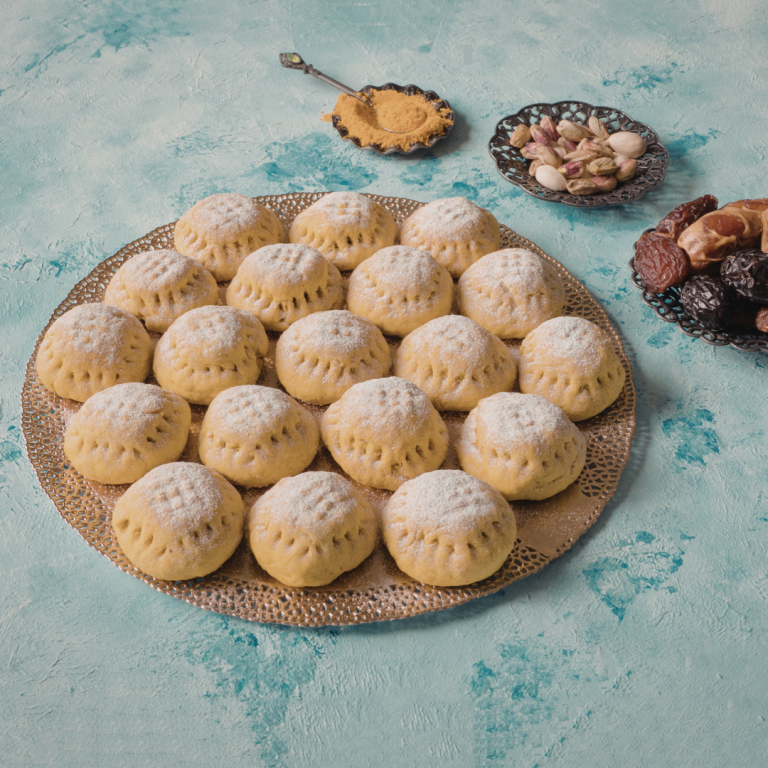
Like the Hindu holiday Holi, Eid al-Fitr spans several cultures. Each culture has its own traditions for foods enjoyed at Eid al-Fitr. Here are some examples.
Maamoul
These shortbread cookies, which are filled with dates and/or nuts, are common in Syria and Lebanon. They’re available as well in Iraq and Egypt, but they’re known by different names there.
Cambaabur
This bread is popular in Somalia and Djbouti. It’s similar to injera, a crepe-like bread made from teff flour. Cambaabur has different spices, and is often topped with sugar and yogurt.
Sheer Khurma
This dish is common in India, Pakistan, Bangladesh, and Afghanistan. The exact contents vary, but it usually contains vermicelli, milk, sugar, and dates.
Tajine
This is a North African stew. It contains meat, like beef or lamb, vegetables, and fruits such as apricots.
Fun Fact: Turkish Delight, also called lokum, isn’t just a candy from a novel. It’s also a common Eid al-Fitr treat.
Decorating the home for Eid al-Fitr is common. Traditionally, decorations are green, gold, and white. Common motifs include crescent moons and Arabic lanterns, or fanous. Some families decorate a space for prayer and reflection in addition to the other décor.
Fun Fact: The fanous has been associated with Ramadan celebrations since the Middle Ages.
Hosting parties that appeal to everyone can be a challenge. Each person has their own likes, dislikes, and comfort zones. When planning a party, it’s important to make the guests comfortable. This includes ensuring that introverted guests (or any guests in the Intimate Party People-ing category of our Party Planning Personality Test) aren’t overwhelmed and actually enjoy the party.
There’s some great information online for how to host a party as an introvert, but there are fewer resources about how to plan a party that’s fun for introverts. Here are some of our top tips.
The best time to begin thinking about making your introvert guests comfortable is when you’re deciding who to invite. A single introvert might feel out of place in a party full of loud extroverts, so inviting more than one introverted friend gives them a like-minded person to hang out with. If space and expenses allow, it’s also good to let friends (particularly introverts) bring a plus one so they’ll be sure to have someone they know there (besides just the host).
Consider the size of the party as well. While extroverts may like larger parties and mingling, introverts are usually more comfortable at smaller parties. Around 10-15 people is a good number.
This one is for parties where not all of the guests know each other. Name tags are often associated with work or conventions, but they’re also a handy way for people to interact with one another without having to worry about forgetting someone’s name. You can even make or find printable name tags to match your party’s theme or vibe.
Name tags can be helpful for all guests, not just introverts. There are plenty of extroverts who love meeting people but who are bad at remembering names (like me).
Ice breaker exercises are a good way to get conversations started, but they need to be carefully chosen. Having everyone go around the room introducing themselves might be a little intimidating, but a game that involves introductions one-on-one could work well.
My favorite ice breaker activity is a variation of Bingo. Each guest gets a Bingo card filled with fun facts about people (like “speaks two languages” or “has an exotic pet”). Each person chats with the other guests to learn about them to fill in their Bingo cards. When someone finds a guest who fits the criteria, the guest signs that spot on their Bingo card. Guests end up meeting and interacting with nearly everyone.
This can be simple and informal or an activity the whole group can do together. Giving someone a helpful task, such as keeping an eye on the punch bowl to know when to refill it, gives them something to focus on other than any anxiety they might be feeling in the moment.
The best way to give the introverts at your party something to do is to have an activity for everyone. This can be a craft, a movie to watch, a game, etc. This is an excellent way to keep anyone from feeling singled out. Many people enjoy activity-based parties, not just introverts. (This is especially true of the Activity & Interaction Party Priority folks in our Party Planning Personality Test.)
Introverts may need a few moments to recharge during the party. Offer a space (or spaces) indoors and/or outdoors where people can have a moment to themselves. Put out a few snacks to make the area more inviting.
If you have a pet, letting them wander around might also help. Sometimes interacting with a pet provides a quick brain break.
An open ending time for a party can be stressful for introverts. Giving the party a set ending time lets them pace themselves throughout the party.
On a related note, don’t be offended if one or more of your introvert guests leaves early. Their decision has more to do with their energy levels than the quality of your party.
Holi is a Hindu festival that occurs on the full moon of the month Phalguna in the Hindu lunar calendar. (This is usually in late February or in March.) The festival lasts up to 16 days in some areas of India.
Holi is one of the most widely known Hindu holidays in the United States. It’s often associated with the colorful powders thrown on celebrants. Here’s some interesting information about this fun holiday.
Holika Dahan means “the burning of little Holi.” It happens the night before Holi. The pyres lit on this holiday have both cultural and religious significance.
The bonfires are seen as a way to say goodbye to winter and a way to burn impurities from the mind. People gather around the bonfires to sing and dance.
The bonfires also reference the story of Holika’s attempt to kill her nephew, Prahlad, and his survival. Prahlad was devoted to Vishnu, against his father’s wishes. Holika had a boon that made her invulnerable to fire, and she tricked Prahlad into sitting on her lap on a pyre. She burned alive while Prahlad remained unharmed.
Fun Fact: The holiday names Holika Dahan and Holi vary across ethnic groups and languages. Some other names for Holi are Phagwa, Dulhendi and Rang Panchami.

As part of Holi celebrations, both children and adults throw colorful water and powder, or gulal, on one another. The colorful powders are traditionally made from medicinal herbs to combat the colds and fevers that can come with the changing weather. They include powders made from flowers, leaves, and even foods (such as tumeric, tea, and beetroot). White clothing is common, and many people wear old clothes since the powders leave stains. There’s singing and dancing, as well as pauses for snacks.
The gulal tradition comes from a story about Krishna and his partner, Radha. Krishna was afraid that Radha would reject him due to his complexion, so his mother suggests that he ask Radha to paint his face in any color she wants. They became a couple, and gulal became a Holi tradition.
Fun Fact: Color Run races in the United States were inspired by Holi celebrations and their use of gulal.
There are a wide variety of foods served at Holi. It’s a festival that spans several different ethnic groups, and each has its own traditions. That being said, here are a few examples of common Holi foods.
Gujiya
Of all of the Holi foods, this one is the best known. It’s a deep fried pastry filled with khoya (a milk paste), dried fruit, and coconut.
Mathri
These are crispy spiced crackers. They may be either baked or fried. They often contain spices such as carom seeds, fenugreek, and black peppercorns, but the spices vary.
Malpua
These sweet pancakes are usually made from wheat flour. They include fruits such as bananas, mangos, or pineapples in some areas. They’re usually drenched in a sugar syrup.
Thandai
This is a sweetened milk drink that often includes nuts and spices. There are several variations, some flavored with rose petals, mango, or almonds and saffron.
Fun Fact: There’s a thandai variant called bhang thandai that includes cannabis.
Rangoli is the art of making patterns on floors or tabletops with colored sand, pigment powders, flower petals, small stones, etc. It’s a common decoration during festivals, including Holi. Sometimes people work together to create large, complex designs. Different families have their own patterns and traditions.
Decorating the home with bright colors is common. People often make decorations, including strings of flowers (often marigolds).
Fun Fact: It’s theorized that the grain-based powders used in rangoli attract insects and that the limestone-based powders keep them from entering the house.
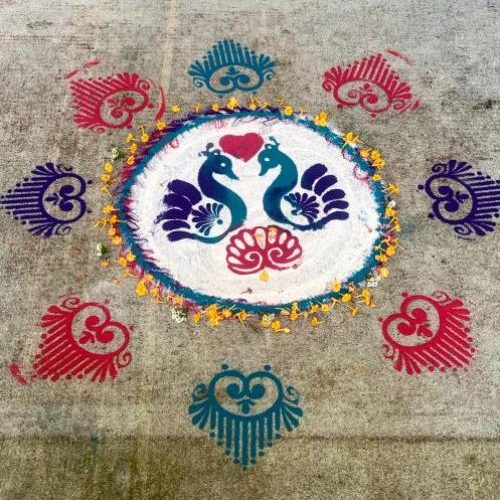
Purim is a Jewish holiday that falls in early spring. The date changes each year since the Jewish calendar is lunar, but the date on the Jewish calendar is the 14th of Adar (or 14th of Adar II in the calendar’s leap year). In Jerusalem, it continues to the next day.
Purim is one of the most fun Jewish holidays. It has costumes, goodies, and fun as well as cultural significance. Here are the basics and some fun facts about this delightful holiday.
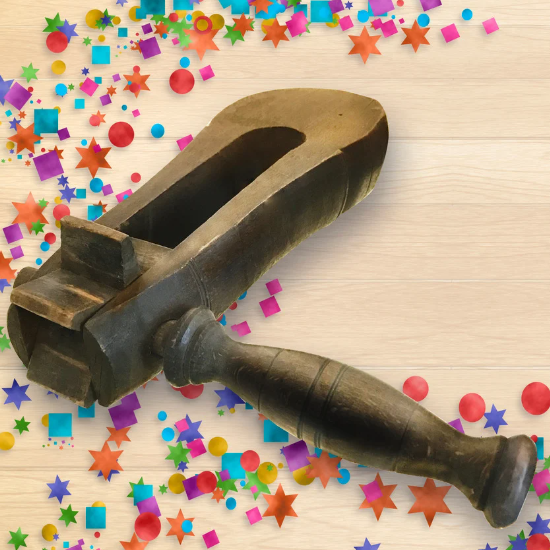
The Megillah (or “scroll”) is known as the book of Esther. It’s read aloud at the synagogue for the holiday. This is fun for children and adults alike. Every time the name of the villain, Haman, is mentioned, everyone drowns it out with noisemakers called groggers (seen here).
Purim is a celebration of the Jewish people’s survival of an attempt to destroy them, and the Megillah tells the story. In the 4th century BCE, Persian king Ahasuerus had his queen, Vashti, executed for refusing to make a lewd display of herself at his banquet. He held a beauty pageant to choose a new queen, and he chose a Jewish woman named Esther (who didn’t divulge that she was Jewish).
Esther’s cousin, Mordecai, who was the leader of the Jewish community, refused to bow to Haman, the king’s prime minister. This angered Haman, who decided to slaughter all of the Jews and cast lots (or purim) to choose a date.
After discussion with Mordecai, Esther invited the king and Haman to a banquet. At the banquet, she revealed her Jewish identity. The king ordered Haman to be hanged on the gallows Haman had prepared for Mordecai, and he decreed that the Jewish people could fight back when attacked on the date Haman had chosen, the 13th of Adar. The Jewish people celebrated their victory on the 14th of Adar.
Fun Fact: Vashti is often seen as a feminist icon among Jewish feminists.
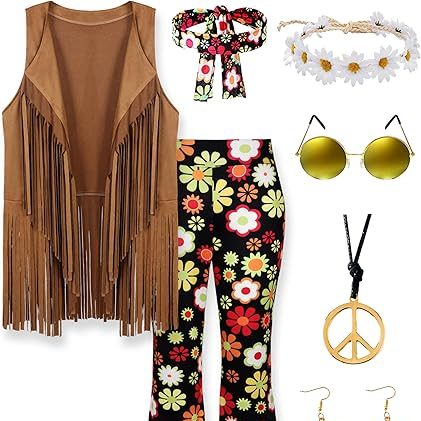
Adults and children both often dress up or wear masks for Purim. As Esther hid her identity as a Jew, costumes and masks hide one’s identity. Another reason for dressing up is to commemorate the miracle of survival being hidden in natural events. Costumes can be any number of things, but are generally not scary or gory. In past years, I’ve been a cat and a galaxy, and my costume for this year is my hippie costume from last year's Mardi Gras.
Fun Fact: Dressing in costume is very common, but isn’t a required part of celebrating the holiday.
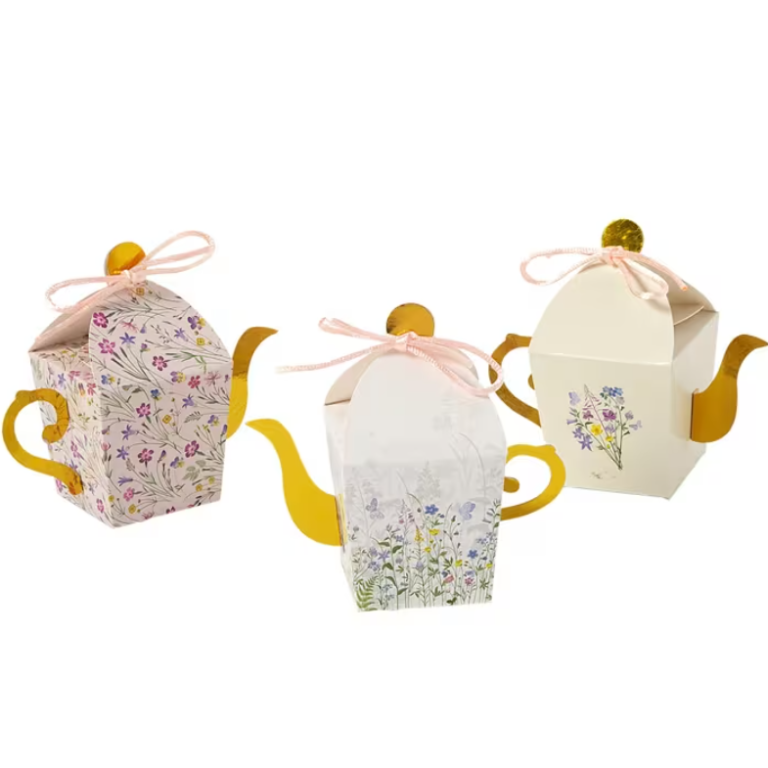
Giving charity and gifts to friends or neighbors are both part of celebrating the holiday. Money or food should be given to the poor, or money should be donated to a charity box for them.
Gifts of food, or mishloach manot, are given to friends and neighbors. These can range from two ready-to-eat food items (the minimum requirement) to bags of candy to themed boxes of treats. This year, my plan is to do a tea time themed package with Bigelow Perfectly Mint tea in these cute tea kettle boxes. I’m putting them in a pastel green paper lunch sack with honey in little glass jars and a packet of Biscoff cookies. I’ll fold them over and tie them with pink ribbon.
Fun Fact: Mishloach manot means “sending portions.”
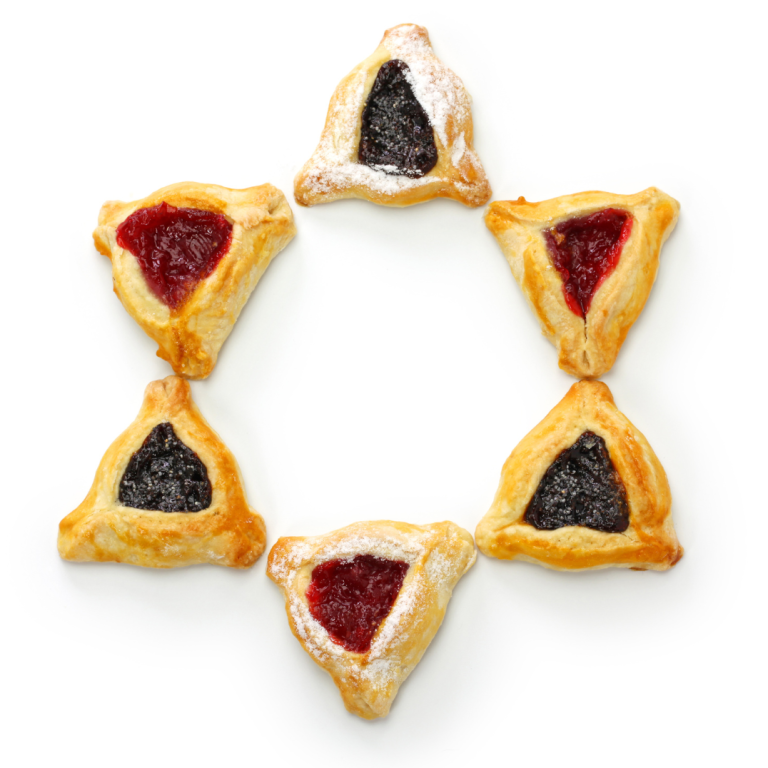
Hamantashen are the main food associated with Purim (other than mishloach manot). They’re triangular, filled cookies. Some say that their being filled echoes the theme of hidden things on Purim, while others say that their shape references either Haman’s ears or his triangular hat. There are fruit filled ones and Nutella filled ones, but my favorite are the poppy seed filled ones. Mine never look quite right, so I try a new recipe every year. This year I’m using this Tori Avey recipe. I’ve heard good things about it.
There’s a big, festive meal that takes place before sundown on Purim that continues into the night. It’s been said that one should drink so much on Purim that they can’t tell the difference between cursed be Haman and blessed be Mordecai. While not planning to get that drunk, I’m planning to have a couple of Dirty Shirleys (like this one from Culinary Hill).
Fun Fact: In Hebrew, hamantashen are called oznei Haman, Haman’s ears.
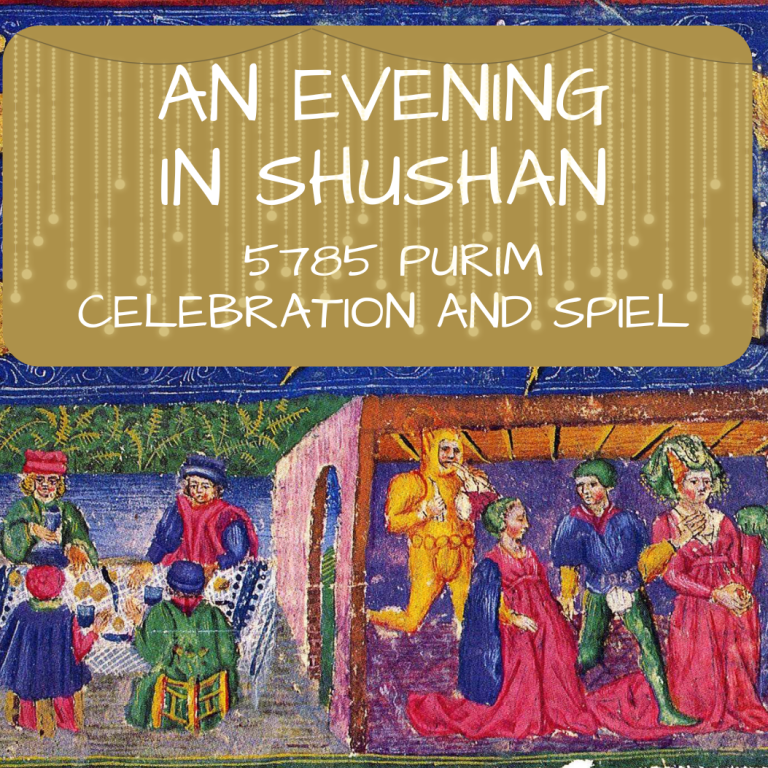
Purim celebrations often include a Purim spiel, a silly play that retells the story of the holiday. They often have a movie or book theme. The first one I saw was a film noir retelling. They’re always very playful and fun.
Fun Fact: Spiel is a Yiddish word that means “play” or “skit.”
Personality tests are fascinating! They teach us about one of our favorite topics: ourselves. I thought it would be fun to take a similar approach to party planning personalities, the way we approach different aspects of parties as we host.
This four-question personality quiz mirrors the Myers-Brigg Type Indicator (MBTI), which uses four letters to indicate a person’s inclinations along four spectra.
There’s no judgment about which style is “right” or “wrong.” Everyone is different and prefers different things. Most people are somewhere in the middle of these spectra. The type of event may also influence things, since hosting a child’s birthday party and a wedding (for example) are two very different experiences.
These “Would You Rather” scenarios provide insight into how you approach parties. Choose the answer that best fits you most of the time.
I feel that I should add a disclaimer saying that this is in no way scientific. It’s just for fun.
Answer the questions below. Once you’ve chosen your answers, check the next section for what those answers mean. Use the letter after the answer you chose to find your type.
This is the type that describes how you tend to approach various aspects of party planning. Find your letters from the quiz above to read about your planning style!
Party People-ing
This sets the tone for the party.
Party Pace
This relates to how you would like for the party to flow.
Party Priority
This indicates where you focus your attention during preparations.
Party Purpose
This explains why you want to host a party.
Just like in the MBTI, the four individual types can be combined into an overall type that provides a clearer picture. There are 16 types, but I’ll discuss a few examples. I’ll revisit the types in future posts as well.
GPAM: The Holiday Hero
Group • Planned • Activity & Interaction • Milestones
This is the person you want to host your family Christmas dinner. They’re unfazed by the large number of relatives in the house. Dinner will be on the table at precisely noon. There are a fun Santa craft for the kids and a stack of board games to play after dinner.
IPAC: The Girls’ Night In Guru
Intimate • Planned • Activity & Interaction • Connection
This is the person who makes girls’ night in look easy. They’re happy to see and talk to their closest friends. They’ve got dinner delivery scheduled and a few fun spa treatments to try. There will be giggles and gossip, too.
IFSC: The Soirée Sorcerer
Intimate • Flexible • Sensory & Atmosphere • Connection
This is the person you hope will invite you to their dinner party. They invite only a few people, but all of them are fun to talk with. The food is absolutely amazing, and their house is beautiful. Dinner never feels rushed either.
GFSM: The Birthday Boss
Group • Flexible • Sensory & Atmosphere • Milestones
This is the person you hope will plan your birthday party. They invite all your friends. The decorations are awesome and the food is great. They don’t rush you to blow out your candles or open your presents either.
While there are a lot of games that play well with two players, there are fewer games that were created specifically for two players.
There are advantages to playing two-player games. Not all games that can be played by two players play well with that number. Two-player games are optimized to be played that way. Even games that play well with two players sometimes require tedious extra setup (like counting and removing components) that can be avoided by playing a two-player game.
Here are five of our favorite two-player games. All of these games are available to rent from Side Quest Events. Try out one of these games with a friend, romantic or otherwise.
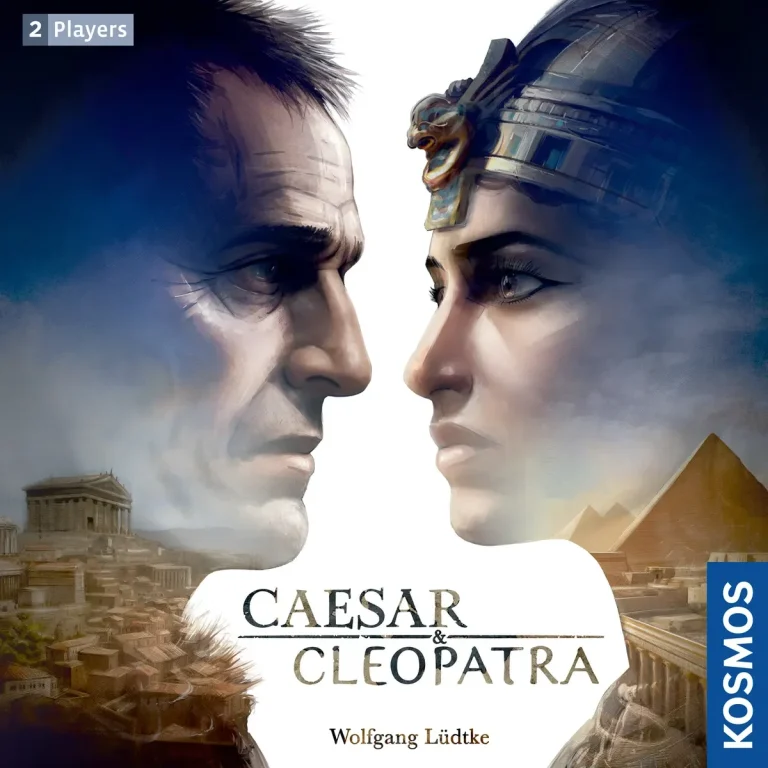
Caesar & Cleopatra is a card-laying game. It was demonstrated at Gen Con 2025, the largest board game convention in North America. In the game, the two players play as Caesar and Cleopatra. Both are trying to influence Roman officials to take their side, with Caesar wanting Rome to invade Egypt and Cleopatra wanting Egypt to remain free.
Who to Play With: Play this with your history buff friend. They’ll enjoy reenacting this historical event. It’s also a great choice to play with your sweetheart. Caesar and Cleopatra were lovers after all...
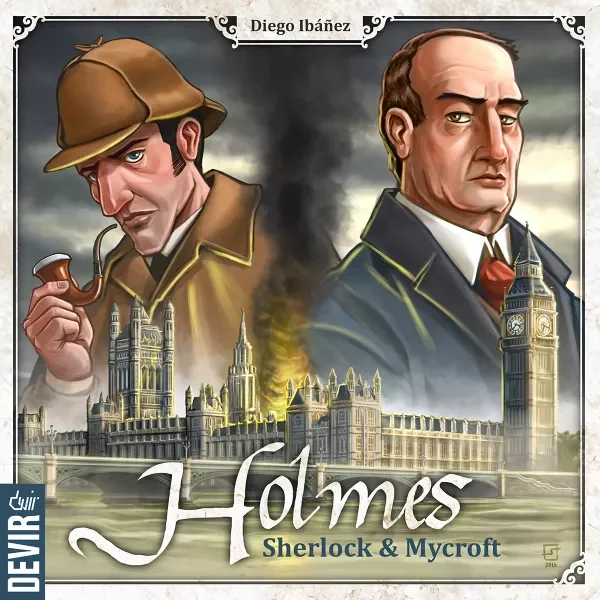
Holmes: Sherlock & Mycroft is a set collection and worker placement game. After a young laborer is arrested on suspicion of bombing the Houses of Parliament, Mycroft Holmes is hired to investigate the laborer’s connections to anarchists, while his brother Sherlock has been hired by the laborer’s family to prove his innocence. The investigation takes place over seven days (rounds).
Who to Play With: Playing with a mystery-loving friend or Sherlock fan is obvious, but this is also a good game to play with someone who likes light, quick games. The game would still be fun no matter the theme.
Rivals for Catan is a two-player version of the well-known board game Catan. In it, players compete against each other to build a more successful province. The game has multiple modes, including themed games set in different time periods.
Who to Play With: Play this with a friend who’s new to board gaming. Catan is a classic “gateway game” into the hobby. You can also play this with a friend who already loves Catan and wants to try a new variant of it.

The Fox in the Forest is a beautiful trick-taking game. There are fairy character cards that change the rules, even after the trick is won or lost. Take more tricks than your opponent to win, but don’t take too many!
Who to Play With: Play this with a fantasy art fan. The cards are stunning! This is also a good choice for players who are familiar with classic card games but less familiar with board games.
The Stars Align is a grid placement and pattern manipulation game. Place stars according to the patterns on the cards, then start overlapping patterns and flipping stars to make rows of same-colored stars to clear away.
Who to Play With: Astronomy fans and Tetris players would both enjoy this game. Personally, I recommend playing it in a coffee shop on a first date. It worked out for my partner and me. ;-)
Slumber parties aren’t just for children anymore! Hosting a grown-up slumber party for your friends is an excellent choice for a variety of occasions, such as birthdays, bachelorette parties, or Galentines’ Day. Here are some ideas for hosting a fabulous slumber party without breaking the bank.
Selecting a theme for your slumber party gives you a starting point for all of your party choices. In this post, We’ve chosen three fun themes and provided suggestions for tableware, refreshments, activities, and favors.
Another thing to consider ahead of time is the sleeping arrangements. While a sleeping bag on the floor was fine at 10, it’s far less comfortable at 40. Having enough beds, couches, and air mattresses makes sure everyone gets a good night’s sleep.
As always, we’re receiving no compensation for any of the items mentioned here. These are just suggestions that we love.
This theme brings back fond memories of slumber parties when we were growing up. Revisit those carefree, worry-free days with your guests. Put on some 90s movies, listen to some 90s music, and have a totally rad time!
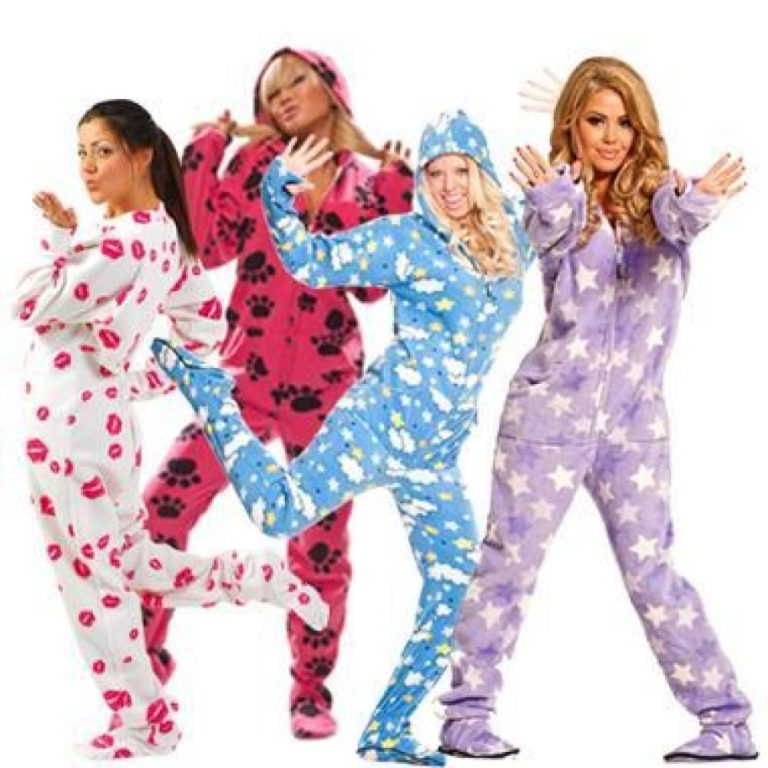
The Dungeon Crawler Carl (DCC) book series is becoming more and more popular. The book has a distinctive feel that’s fun to translate to a party setting. Reading together (or listening to the excellent audiobooks) can be a fun activity to wind down the evening.
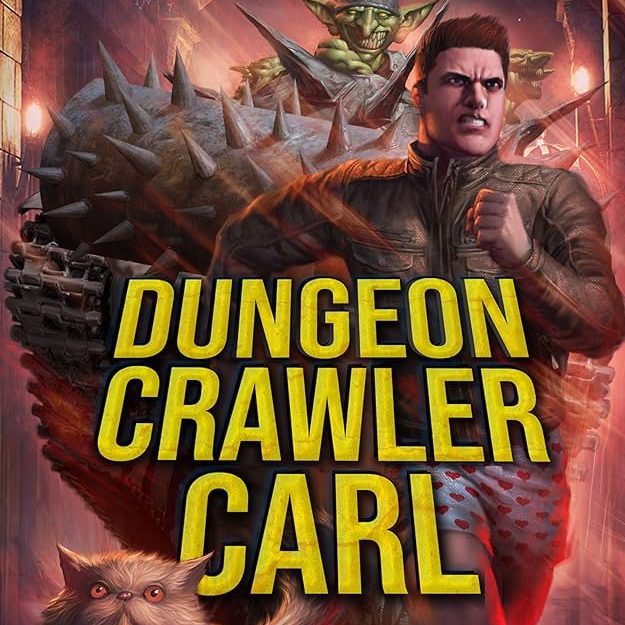
Binge-watching the trilogy with your friends is an excellent reason to host a slumber party! Here are some ideas to make it extra special.
January 28 is National Lego Day. People of all ages enjoy building Legos, as the age range on their products indicates. With sets ranging from Duplo to animals to cars to Star Wars, there’s really something for everyone.
In honor of National Lego Day, I’d like to present my wish list of Lego sets that are (mostly) under $100. I’ve created arbitrary categories and selected one set from each. I’ll tell you why I’m excited about each one. As always, I receive no compensation for any of these recommendations. (Seriously, Lego, if you’d like to change this, call me! Lol)
Sherlock Holmes: Book Nook ($129.99)
Book nooks are small dioramas meant to be displayed on a bookshelf among the books.
Why I Chose It: I’m excited that there’s a Lego kit for making book nooks! There are only a couple of them available, and I feel this one does the best job of capturing the setting of the book.

Wildflower Bouquet ($59.99)
The Botanicals are my favorite line of Legos. I love seeing how the same pieces that have been used for different models over the years can be combined to make something completely different, flowers in this case.
Why I Chose It: I love the colors in this bouquet, and it has a variety of different flowers to assemble. The relatively low price means that other sets could be added to make a larger bouquet while still staying under $100. The Sunflowers ($14.99) would work well.
Play with Braille – English Alphabet ($89.99)
Braille Bricks include braille letters for learning and practice through play. They’re also available in French and Spanish.
Why I Chose It: This is a really cool concept and I want to bring attention to it. There are so many possible settings where this could be useful, including homes and schools.
Eve & Wall-E ($19.99)
BrickHeadz remind me of Funko Pops made of Legos. They’re available in a variety of characters, both individually and in sets. They’re also relatively inexpensive, with even the sets remaining well under $100.
Why I Chose It: I think both characters work well as Lego figures, and I loved the movie.
Captain America: Civil War Action Battle ($99.99)
Runner Up: The Batman Batmobile ($29.99)
This category includes the Batman, DC, and Marvel lines. While it’s well over our $100 limit, I would also like to call attention to the Arkham Asylum ($299.99). It has some amazing details!
Why I Chose It: This depicts a memorable scene from the movie, and the scale of the pieces and variation in character sizes make this visually appealing when on display.
The Magic of Disney ($99.99)
The Disney line of Legos is very broad, ranging from children’s playsets to intricate models of characters and castles.
Why I Chose It: While many of the Disney sets are specific to a certain movie, this one depicts movies from throughout Disney’s long history, including some of the most recent ones. It also includes one of the most iconic versions of Mickey Mouse.
Lord of the Rings: The Shire ($269.99)
None of The Lord of the Rings sets are under $100. That being said, my favorite of these sets falls around the middle of the price range.
Why I Chose It: The set includes some of the best known and most loved characters of the trilogy, from Bilbo to Gandalf to Merry and Pippin, as well as the famous round, green door to Bilbo’s hobbit hole.

R2-D2 ($99.99)
Lego’s Star Wars sets are so well known that there are several movies featuring Lego Star Wars characters. There have been hundreds of Star Wars sets over the years. (If money is no object, check out the $999.99 Death Star!)
Why I Chose It: C-3PO and R2D2 have been my favorite characters since I first saw Star Wars: A New Hope as a child. Either one is a solid choice, but C-3PO ($139.99) is over our $100 limit.
Piranha Plant ($59.99)
Runner Up: Blathers’s Museum Collection ($79.99)
Lego has sets inspired by many video game franchises, including Animal Crossing, Pokemon, Super Mario, and Legend of Zelda.
Why I Chose It: I’ve always thought the Super Mario piranha plants were pretty, and it’s extra appealing since I really enjoy the Botanicals.
Soup Fest is a tradition in my partner’s family. They gathered together, with each of them bringing a soup or stew for everyone to share. It’s a great chance to try new and different soups and to share recipes.
Potlucks are often easier to host since everyone shares the responsibility for preparing food, but they still require some planning and preparation. Here are some tips for hosting your own Soup Fest, as well as my favorite soup recipe.
But first, a note about the links in this post. I’m not receiving compensation for any of these products. I’m merely sharing the products that I will likely use when I host my next Soup Fest. (If any companies would like to change this, call me! Lol)
While Soup Fest can be an opportunity to compare and contrast different takes on the same soup, it’s fun to try something unique from everyone. This also provides more options for guests with dietary restrictions. You can designate categories to ensure an array to choose from or let everyone sign up for any soup they choose.
Here are some possible categories:
• Potato soups
• Tomato-based soups
• Chicken soups
• Creamy soups
• Vegetarian/vegan soups
If you prefer not to make the soups yourselves, Side Quest Events can help you find a caterer to provide what you need as part of our Party Package. Contact us today for more information!
Get creative by laying out the toppings charcuterie board style or make them easy to access with a buffet style setup. Offer a few bread options, such as sourdough, baguettes, and rye. Skip the sliced sandwich bread.
If you need some toppings inspiration, these are our household’s favorites:
• Cheese
• Crushed crackers (especially flavored ones)
• Green onions
• Sour cream
• French fried onions
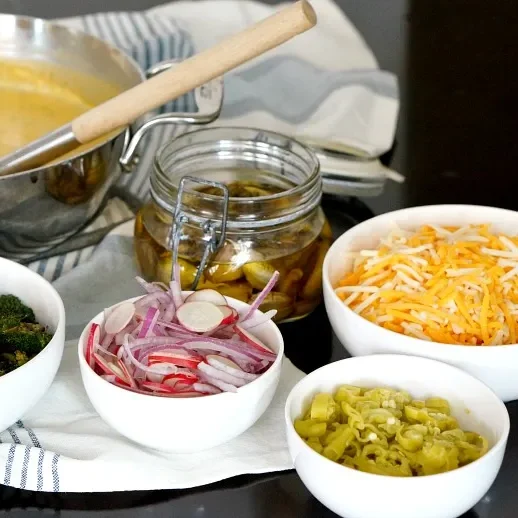
Soups are easy to slop and spill. Give your guests an easy way to carry around their delicious choices with this caddy, which can hold up to six servings of soup. Paper coffee cups in restaurant drink carriers can also work. (These can even be personalized if you choose!)
Make sure to have plenty of napkins on hand. Paper napkins with wintery prints (like these buffalo plaid ones from Oriental Trading Company) set a cozy mood. Strategically placed rolls of paper towels make cleanup quick and easy and can replace paper napkins for a more casual vibe.
This may not be necessary if all party attendees know each other well and are familiar with each other’s dietary restrictions (or if no one has food allergies). An index card folded into a tent with allergens listed makes sure that everyone can safely sample the goodies. There are also printable templates (like this one from PaperTempest) that take the guesswork out of labeling each soup.

There’s never a bad time for a sweet treat after a meal! End with something simple, like a chocolate cake, cheesecake, or even a fruit and brownie tray. With so many different flavors in the soups, simplicity is best here. (This is also another great opportunity to experiment with creative charcuterie-like layouts.)
And last but not least…
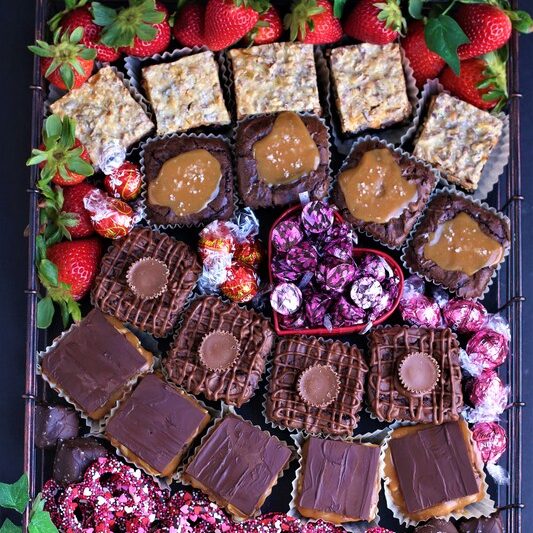
To make this recipe dairy free, use your favorite plant-based milk to make the dumplings and omit the milk at the end.
* When I developed this recipe, the only tarragon I had was an $8 organic bottle. I literally decided when to stop adding tarragon by how concerned I felt about buying more at that price. (I usually stopped at about a teaspoon. Lol)

Hello! You have reached the first entry in our new blog! Do you have questions? We have answers! Check out some frequently asked questions below.
At Side Quest Events, we specialize in fandom themed events on a budget. This is because we really care about helping to bring people together to make memories, no matter the budget. We want to give you tips and tools to elevate your event, even if you're handling the planning yourself. (We're always available to support you with our decorating and other services.)
Before starting Side Quest Events, I worked as a technical writer for ten years. Starting a blog seemed like a natural fit. Also, I did some guest posts for a blog several years ago and enjoyed the format.
Right now, the plan is to focus on event planning and geeky/fandom topics. There will probably be party planning articles, book/movie reviews, board game content, and maybe even some recipes.
Projects like blogs tend to take on a life of their own, so this focus may shift over time.
There will be a new blog post every Wednesday. (We all need something to look forward to in the middle of the week, right? Lol) The plan is to publish every Wednesday, but we'll try to say something if a post will be delayed.
Absolutely! We'd be honored! We do ask that you either share the link to the blog or at least credit Side Quest Events for the content.
In addition to our website, we have a Facebook page (Side Quest Events) and Instagram page (sidequesteventsnwa). We're also working on a Pinterest page, so stay tuned for more information.
We're willing to expand further if there's interest. Contact us if there's somewhere else you'd like to see us!
We need your consent to load the translations
We use a third-party service to translate the website content that may collect data about your activity. Please review the details in the privacy policy and accept the service to view the translations.